

Understanding the car vs public transport Melbourne debate requires comprehensive analysis of transport costs Melbourne households face when choosing between private vehicle ownership and public transportation. This decision significantly impacts personal finances, daily convenience, and lifestyle flexibility, making informed comparison essential for Melbourne residents evaluating their optimal transportation solution.

Melbourne offers extensive public transport infrastructure including trains, trams, and buses covering most metropolitan areas, supplemented by private vehicle options ranging from ownership to rental services. The city’s sprawling geography, with employment and activity centers distributed across wide metropolitan areas, creates varied transportation requirements depending on individual circumstances.
Inner Melbourne suburbs benefit from frequent, comprehensive public transport services connecting residents efficiently to the CBD and surrounding areas. Outer suburbs often experience less frequent services and longer journey times, potentially favoring private vehicle ownership for convenience and time efficiency.
Understanding your specific transportation needs, residential location, work requirements, and lifestyle patterns proves essential for determining which option provides optimal value and convenience for your circumstances.
Vehicle purchase represents the largest upfront cost in car ownership. A modest used vehicle suitable for Melbourne commuting typically costs $15,000-$30,000, while new vehicles range significantly higher. Depreciation continues throughout ownership, with vehicles losing 15-25% annually in early years.
Our used cars Melbourne inventory provides quality options minimizing initial purchase costs while our car finance Melbourne services help structure affordable payment plans managing acquisition expenses.
Victorian vehicle registration costs approximately $800-$900 annually for standard passenger vehicles, including Transport Accident Charge providing personal injury insurance. Comprehensive vehicle insurance adds $1,000-$2,500 annually depending on vehicle value, driver profile, and coverage level.
Our car insurance Melbourne guide helps understand insurance options and cost factors affecting annual premiums.

Fuel represents significant ongoing expense varying by driving distance, vehicle efficiency, and current petrol prices. Melbourne’s average commuter traveling 15,000km annually in a vehicle achieving 8L/100km consumes approximately 1,200L fuel annually, costing roughly $2,000-$2,400 at typical fuel prices.
Inner-city drivers with shorter commutes reduce fuel costs proportionally, while outer suburban residents with longer distances face higher annual fuel expenses.
Regular maintenance including services, tire replacements, and repairs averages $1,500-$2,500 annually for typical vehicles. Older vehicles or those with reliability issues may exceed these estimates, while newer vehicles under warranty maintain lower maintenance costs initially.
Our auto repair Melbourne services provide quality maintenance at competitive rates, helping manage ongoing vehicle ownership costs.
Parking expenses vary dramatically by location. CBD workers paying daily parking face costs of $30-$60 per day, totaling $7,500-$15,000 annually for full-time workers. Suburban employment locations often provide free parking, eliminating this significant expense.
Residential parking costs depend on accommodation type, with street parking generally free in suburban areas while inner-city apartments may charge $50-$200 monthly for parking spaces.
Comprehensive annual car ownership costs for typical Melbourne commuters range from $8,000-$15,000+ depending on vehicle value, usage patterns, and parking requirements. This calculation includes:
Melbourne’s public transport operates through the Myki card system with pricing based on zones and pass duration. Full fare Myki Pass costs for daily Zone 1+2 travel approximate $9-$10 per day, while monthly passes average around $175, and annual passes roughly $1,800-$2,000.
Commuters traveling exclusively in Zone 1 or using off-peak services access lower pricing structures. Concession cardholders receive approximately 50% discounts on standard fares.
Public transport journey times typically exceed private vehicle travel for equivalent trips, particularly for outer suburban residents or those with destinations poorly served by train/tram routes. Inner Melbourne residents often experience competitive or superior journey times using public transport compared to driving and parking in congested areas.
Time costs represent real economic value when considering total transportation costs. Spending an additional hour daily commuting via public transport equates to 260 hours annually—a significant lifestyle impact beyond pure financial considerations.
Melbourne’s public transport provides excellent service frequency and coverage in inner suburbs, with trains, trams, and buses offering multiple route options and regular services throughout business hours. Outer suburbs experience reduced service frequency, particularly during off-peak hours and weekends.
Service reliability generally remains good on major routes, though occasional delays and cancellations affect journey planning. Private vehicles provide greater reliability and flexibility for time-sensitive commitments.
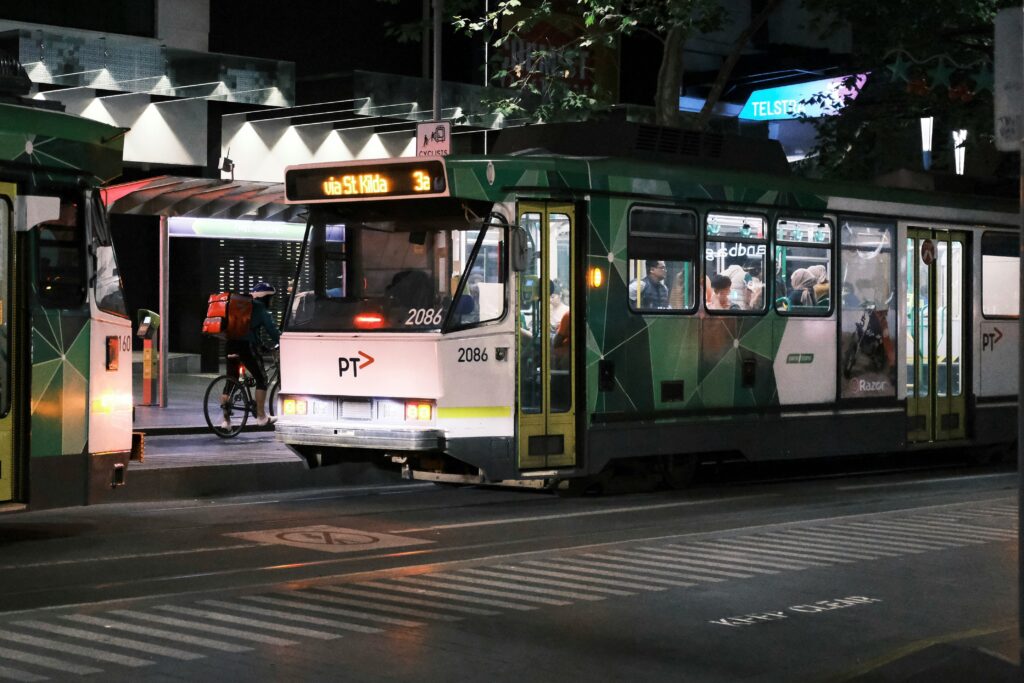
Annual public transport costs for full-time Melbourne commuters using Myki passes range from $1,800-$2,500 depending on zones and pass types—significantly less than comprehensive car ownership costs for most users.
Additional occasional vehicle rental costs for situations requiring private transport should be included in total public transport lifestyle costs. Our car rental Melbourne services provide affordable supplementary transportation when public transport proves impractical.
Inner Melbourne residents working in the CBD typically benefit significantly from public transport. Comprehensive public transport coverage, frequent services, and high CBD parking costs strongly favor public transport economically and practically.
Annual costs comparison:
Financial advantage: Public transport saves $12,500+ annually
Outer suburban residents face longer journey times but still access reasonable train services to the CBD. Parking costs remain high while fuel costs increase with distance.
Annual costs comparison:
Financial advantage: Public transport saves $10,000+ annually
Residents living and working in suburbs with limited public transport connectivity between locations often find private vehicles more practical despite higher costs.
Annual costs comparison:
Financial advantage: Public transport saves $5,000-$7,000 annually, but convenience factors heavily favor vehicles
Families with school-age children, recreational activities, and shopping requirements often find vehicles essential regardless of pure commuting economics. Multiple simultaneous trips, child safety considerations, and cargo capacity requirements challenge public transport suitability.
Many families adopt hybrid approaches using public transport for individual commuting while maintaining one household vehicle for family activities.
Private vehicles provide unmatched convenience and flexibility for spontaneous trips, multiple destinations, cargo transport, and time-sensitive travel. Public transport requires advance planning, fixed schedules, and limitations on cargo capacity.
For customers requiring occasional vehicle access without ownership costs, our flexible car rental Melbourne services provide practical supplementary transportation.
Journey time differences represent real economic and lifestyle costs beyond direct financial expenses. Private vehicles typically save 30-60 minutes daily compared to public transport for equivalent journeys, equating to 130-260 hours annually.
Some commuters productively use public transport time for reading, work, or rest, partially offsetting time disadvantages. Private vehicle drivers cannot engage in productive activities during commuting.
Public transport demonstrates significantly lower per-passenger environmental impact compared to single-occupancy private vehicles. Melbourne’s electric tram network particularly minimizes environmental footprint for inner-city transportation.
Environmentally-conscious residents may prioritize public transport despite potential convenience compromises, while electric car rental Melbourne options provide lower-impact private vehicle alternatives when required.
Public transport commuting incorporates incidental exercise through walking to/from stations and stops, contributing positively to daily activity levels. Private vehicle commuting eliminates this physical activity component.
Stress levels vary individually, with some people finding public transport crowding stressful while others experience traffic congestion and parking challenges equally frustrating in private vehicles.
Many Melbourne households adopt hybrid approaches, maintaining one vehicle for family use while primary commuters use public transport. This strategy balances financial efficiency with practical flexibility for family activities and weekend recreation.
Single-vehicle households save substantially compared to two-vehicle families while maintaining essential private transport access for situations where public transport proves impractical.
Public transport primary users can access occasional vehicle requirements through short-term rental rather than maintaining owned vehicles. Weekend trips, shopping expeditions, and special events requiring vehicles can be accommodated affordably through rental services.
Our weekend car rental Melbourne and flexible daily rental options provide cost-effective supplementary vehicle access for public transport primary users.
Ride-share services like Uber and traditional taxis provide convenient supplementary transportation for routes poorly served by public transport or time-sensitive journeys. While individual trip costs exceed public transport, occasional use remains more economical than vehicle ownership for many situations.
Combining public transport with strategic ride-share use creates flexible, cost-effective transportation solutions for varied needs without vehicle ownership costs.
Optimal transportation choices depend entirely on individual circumstances including residential location, workplace location, family size, lifestyle requirements, and financial situation. No single solution suits all Melbourne residents.
Calculate your specific costs for both options considering actual usage patterns, parking availability, journey times, and lifestyle requirements. Our car ownership costs Australia guide provides detailed calculation frameworks.
Consider trial periods testing different approaches before major commitments. Sell a vehicle and try public transport exclusively for several months, or rent vehicles periodically while primarily using public transport to identify genuine requirements versus preferences.
Flexibility allows adjustment as circumstances change throughout life stages, with different solutions appropriate for students, young professionals, families, and retirees.
Transportation represents one of households’ largest expense categories after housing. Optimizing transportation choices creates substantial financial capacity for other priorities including savings, investments, or lifestyle enhancements.
Calculate potential savings from your optimal transportation solution and redirect those funds toward financial goals improving long-term financial security and wellbeing.

For most Melbourne residents, public transport costs significantly less than comprehensive car ownership. Annual Myki passes cost $1,800-$2,500 compared to typical car ownership costs of $8,000-$15,000+ including all expenses. However, specific savings depend on individual circumstances including parking costs, vehicle value, and usage patterns.
Time differences vary dramatically by specific routes and locations. Inner Melbourne residents often experience competitive journey times using public transport compared to driving and parking. Outer suburban residents typically spend 30-90 minutes additional daily using public transport, though this time can be used productively unlike driving time.
Inner Melbourne families with good public transport access can manage without vehicles, though occasional rentals for specific purposes may prove necessary. Outer suburban families generally find vehicle ownership essential for practical family life including school runs, activities, and shopping. Many families successfully use hybrid approaches with one vehicle supplemented by public transport.
Weekend and recreational transportation challenges represent the strongest argument for vehicle ownership beyond pure commuting. Many public transport commuters maintain vehicles specifically for weekend activities, while others successfully use rental services, ride-share, or organized tours for recreational pursuits outside regular commuting patterns.
Parking costs dramatically influence transportation economics. Daily CBD parking at $30-$60 adds $7,500-$15,000 annually to car ownership costs, making public transport economically compelling for CBD workers regardless of other factors. Suburban workers with free parking reduce car ownership cost disadvantages substantially compared to inner-city workers.
Convenience value depends entirely on individual priorities and financial situations. Some people highly value flexibility and time savings justifying higher costs, while others prioritize financial savings despite convenience compromises. Calculate actual cost differences for your situation and determine whether convenience benefits justify additional expenses.
Occasional vehicle users can successfully rely on rental services for periodic vehicle requirements while primarily using public transport. Regular vehicle users generally find rental costs exceed ownership costs over time. Analyze your actual vehicle usage frequency to determine optimal approach for your specific patterns.
The most cost-effective approach for most Melbourne residents involves primary reliance on public transport for regular commuting supplemented by occasional vehicle access through household ownership, rental services, or ride-share for situations where public transport proves impractical. This hybrid strategy balances financial efficiency with practical flexibility.
The car vs public transport Melbourne decision requires careful analysis of transport costs Melbourne residents face alongside lifestyle, convenience, and practical considerations specific to individual circumstances. While public transport demonstrates clear financial advantages for most commuters, particularly those with good service access and high workplace parking costs, comprehensive analysis must include time value, convenience requirements, and family needs beyond pure financial calculations.
At Emerald Car Sales & Rentals, we understand that transportation choices significantly impact both financial wellbeing and quality of life. Whether you conclude that vehicle ownership, public transport, or hybrid approaches best serve your needs, we provide services supporting optimal transportation solutions.
For those choosing vehicle ownership, our car sales Melbourne services offer quality vehicles at competitive prices, while our financing options help manage acquisition costs. For public transport primary users requiring occasional vehicle access, our flexible rental services provide cost-effective supplementary transportation without ownership commitments.
Evaluating your optimal transportation solution for Melbourne living? Contact Emerald Car Sales & Rentals today to discuss how our vehicle sales and rental services can support your transportation needs while helping you achieve the right balance between cost efficiency, convenience, and lifestyle requirements.
Contact Emerald Car Sales & Rentals 📍 Melbourne, Victoria
📞 34568990
✉️ contact@emeraldcarsalesandrentals.com.au
Emerald Car Sales & Rentals provides trusted car sales, rentals, and imports across Melbourne with transparency.
© 2025 Emerald Car Sales & Rentals. All Rights Reserved. Designed by ZippyExperts.