
Understanding car ownership costs Australia requires comprehensive analysis beyond initial purchase price to include all expenses throughout vehicle ownership. The total cost owning car encompasses depreciation, registration, insurance, fuel, maintenance, repairs, and financing charges that accumulate substantially over time, making informed cost awareness essential for sound financial planning and realistic vehicle ownership budgeting.

Understanding car ownership costs Australia requires comprehensive analysis beyond initial purchase price to include all expenses throughout vehicle ownership. The total cost owning car encompasses depreciation, registration, insurance, fuel, maintenance, repairs, and financing charges that accumulate substantially over time, making informed cost awareness essential for sound financial planning and realistic vehicle ownership budgeting.
[IMAGE: Detailed infographic showing breakdown of Australian car ownership costs over 5 years including purchase, depreciation, registration, insurance, fuel, and maintenance expenses]
Most Australians significantly underestimate total vehicle ownership costs, focusing primarily on purchase price and fuel expenses while overlooking substantial additional costs that accumulate throughout ownership. Comprehensive analysis reveals annual vehicle ownership costs typically range from $8,000 to $20,000+ depending on vehicle type, usage patterns, and individual circumstances.
Australian Automobile Association (AAA) research consistently demonstrates that actual vehicle ownership costs substantially exceed most owners’ estimates, with many households spending 15-25% of gross income on transportation—often their second-largest expense category after housing.
Understanding complete ownership costs enables informed decisions about vehicle selection, usage patterns, and whether vehicle ownership represents optimal value compared to alternative transportation solutions for specific situations and locations.
Initial vehicle cost represents the most visible ownership expense, ranging from $5,000-$15,000 for older used vehicles to $30,000-$50,000+ for new vehicles. Purchase decisions significantly impact not only upfront costs but ongoing expenses through insurance premiums, depreciation rates, and maintenance requirements.
Our used cars Melbourne inventory provides quality vehicles at various price points helping customers balance initial acquisition costs against their budget constraints and transportation requirements.
Depreciation represents the largest single ownership cost yet remains least visible to most owners. New vehicles typically lose 20-30% of value in the first year and 15-20% annually in subsequent years. A $40,000 new vehicle loses approximately $8,000-$12,000 in year one through depreciation alone—more than most owners spend on all other ownership costs combined.
Used vehicles experience slower depreciation rates, making them financially advantageous for cost-conscious buyers. A three-year-old vehicle has already absorbed significant initial depreciation, reducing ongoing depreciation costs substantially compared to new vehicle ownership.
Vehicle financing adds substantial costs through interest charges over loan terms. A $30,000 vehicle financed at 7% over 5 years costs approximately $5,600 in interest charges—nearly 20% additional cost beyond purchase price.
Larger deposits reduce financing amounts and interest costs while improving loan approval likelihood. Our car finance Melbourne services help structure affordable financing minimizing total borrowing costs through competitive rates and appropriate loan terms.
Vehicle registration costs vary by state and vehicle type. Victoria charges approximately $800-$900 annually for standard passenger vehicles including Transport Accident Charge providing compulsory third-party personal injury insurance. Other states have comparable fee structures with minor variations.
Heavy vehicles, luxury vehicles, and certain vehicle categories incur higher registration costs reflecting different risk profiles or regulatory frameworks.
Most Australian states require roadworthy certificates for vehicle sales and registration transfers, with inspection costs typically ranging $80-$150. Vehicles failing initial inspections incur additional costs for required repairs before passing certification.
Our roadworthy certificate Melbourne services provide efficient testing and certification helping owners maintain compliance with Victorian safety standards.
Vehicle purchases incur stamp duty based on vehicle value or purchase price, varying by state. Victoria assesses duty rates of approximately 4% on vehicle values up to $63,000 with different rates applying to higher values. A $25,000 vehicle purchase incurs roughly $1,000 stamp duty.
Understanding these additional acquisition costs beyond purchase price helps budget accurately for total vehicle acquisition expenses.
Comprehensive vehicle insurance provides extensive coverage protecting against accident damage, theft, fire, and various other risks. Annual premiums typically range from $800 to $2,500+ depending on vehicle value, driver profile, location, and coverage selections.
Young drivers, high-value vehicles, performance cars, and high-theft-risk models attract premium premiums while experienced drivers with clean records and modest vehicles benefit from lower rates.
Our car insurance Melbourne guide helps owners understand insurance options and cost factors affecting annual premiums.
Third-party property insurance covers damage to other vehicles and property but not your own vehicle, offering mid-range coverage at lower premiums than comprehensive insurance. This option suits older vehicles where comprehensive coverage costs approach vehicle values.
Annual third-party property premiums typically range $400-$800, providing liability protection while eliminating own-vehicle coverage costs for vehicles with limited value.
All Australian states require compulsory third-party personal injury insurance included in registration fees, covering medical and related costs if you injure someone in a vehicle accident. This mandatory coverage costs approximately $400-$600 annually depending on state and vehicle type, typically included in registration fees.
Fuel represents substantial ongoing costs varying significantly by vehicle efficiency, fuel type, and driving distance. Australian average commuters traveling 15,000km annually in vehicles consuming 8L/100km use approximately 1,200L annually.
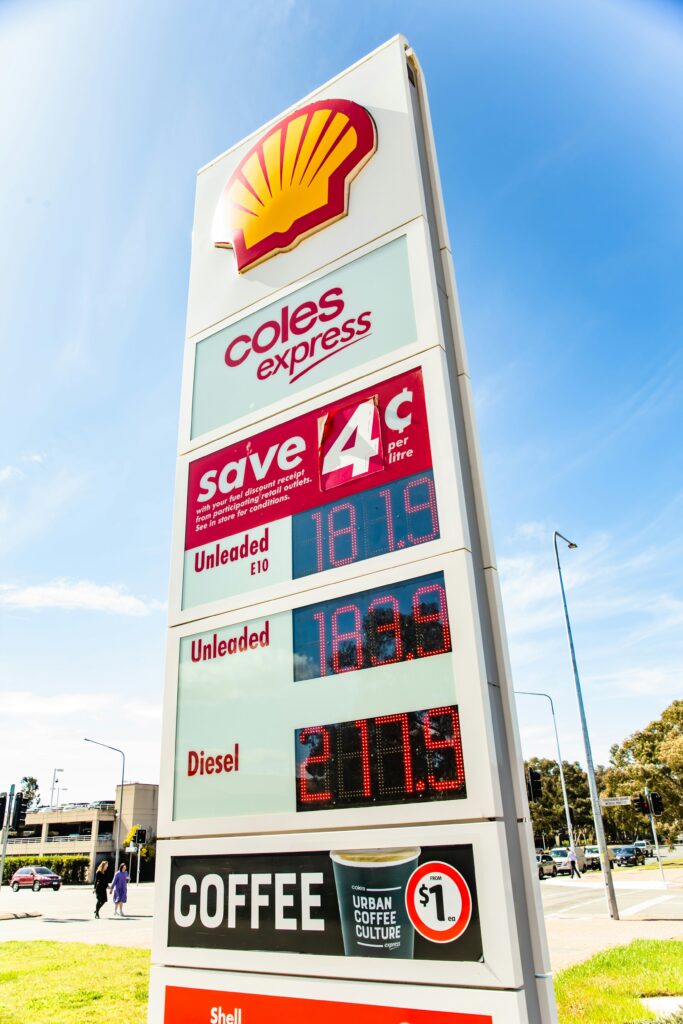
At typical Australian fuel prices of $1.80-$2.00 per liter, annual fuel costs approximate $2,160-$2,400 for average usage patterns. Larger vehicles, performance cars, or older models with poor efficiency substantially increase annual fuel expenses while efficient small cars or hybrids reduce costs significantly.
Australian fuel prices fluctuate with international oil markets, exchange rates, and seasonal demand patterns. Price cycles typically range $0.20-$0.30 per liter between weekly peaks and troughs, with strategic fueling during cycle lows saving hundreds annually for regular users.
Fuel-efficient vehicle selection provides ongoing cost advantages throughout ownership as fuel prices inevitably fluctuate over time.
Manufacturer-specified service intervals typically occur every 10,000-15,000km or annually, with service costs ranging $200-$500 for standard services and $500-$1,000+ for major services. Annual servicing costs average $800-$1,200 for typical vehicle usage.
Luxury vehicles, European cars, and performance models generally incur higher service costs than mainstream Asian brands, influencing total ownership costs throughout vehicle life.
Our auto repair Melbourne services provide quality maintenance at competitive rates helping manage ongoing vehicle ownership costs.
Tires require replacement every 40,000-80,000km depending on tire quality, driving style, and vehicle type. Quality tire sets cost $600-$1,200 installed for standard passenger vehicles, averaging roughly $400-$600 annually for typical driving patterns.
Performance vehicles and luxury cars require premium tires costing substantially more while economy vehicles use more affordable tire options reducing this ownership cost component.
Vehicles inevitably require repairs beyond routine maintenance, with annual repair budgets varying dramatically by vehicle age, reliability, and usage. Reliable vehicles average $500-$1,000 annually in repairs while older or less reliable models may require $1,500-$3,000+ annually.
Emergency repairs can substantially exceed annual averages in individual years, making repair reserves or emergency funds important for managing vehicle ownership costs without financial stress.
Beyond major services and repairs, vehicles require various consumables including wiper blades, light bulbs, fluids, and filters. These items collectively cost $200-$400 annually for typical vehicles.
Quality parts selection balances performance and longevity against cost considerations. Our melbourne car parts guide helps owners understand parts options for cost-effective maintenance.
Parking costs vary dramatically by location and circumstance. City workers paying daily parking incur $30-$60 daily, totaling $7,500-$15,000 annually for full-time workers. Suburban workers often access free parking, eliminating this substantial expense.
Residential parking costs depend on accommodation type, with apartment parking costing $50-$200 monthly in urban areas while suburban houses typically include free on-site parking.
Regular toll road users accumulate significant annual costs. Daily $10-$15 toll expenses total $2,500-$3,750 annually for full-time commuters. Toll avoidance through alternative routes trades toll costs for increased travel time and fuel consumption.
Regular vehicle washing maintains appearance and protects paintwork, costing $20-$40 per wash. Fortnightly washing totals $500-$1,000 annually while monthly washing reduces costs to $240-$480 annually.
Professional detailing services typically cost $200-$400 annually for maintaining vehicle condition and maximizing resale value.
Vehicle accessories including floor mats, phone mounts, dash cameras, and other items collectively cost $200-$500 over ownership periods. Significant modifications for performance, appearance, or functionality can substantially increase these costs.
Older used vehicle ($10,000 purchase price):
Three-year-old used vehicle ($25,000 purchase price):
New vehicle ($45,000 purchase price):
Vehicle selection dramatically impacts total ownership costs. Choosing reliable, fuel-efficient vehicles with reasonable insurance and maintenance costs minimizes ongoing expenses. Japanese brands typically offer excellent reliability and affordable servicing while retaining strong resale values.
Avoiding unnecessary luxury features, premium brands, or performance models that don’t align with actual requirements reduces purchase prices, insurance premiums, and maintenance costs substantially.
Purchasing 2-5 year old vehicles captures significant initial depreciation savings while maintaining good reliability and reasonable maintenance costs. This sweet spot balances acquisition costs against ongoing reliability and repair expenses.
Vehicles under 3 years often retain manufacturer warranty coverage providing repair cost protection during initial ownership years.
Regular maintenance according to manufacturer schedules prevents minor issues escalating into major expensive repairs. Proactive servicing, attention to warning signs, and prompt repairs ultimately cost less than deferred maintenance leading to component failures.
Driving style significantly impacts fuel consumption. Smooth acceleration, maintaining steady speeds, avoiding excessive idling, and proper tire inflation can improve fuel efficiency 15-25%, saving hundreds annually on fuel costs.
Reviewing insurance coverage annually and comparing providers helps optimize protection while minimizing premium costs. Accepting higher excess amounts, bundling policies, or switching to third-party coverage for older vehicles reduces insurance expenses without compromising essential protection.
For many urban Australians, public transport provides substantial cost savings compared to vehicle ownership. Annual public transport costs typically range $1,800-$2,500 compared to typical vehicle ownership costs of $8,000-$15,000+.
Our car vs public transport melbourne analysis provides detailed comparison helping residents evaluate optimal transportation solutions for their circumstances.
Occasional vehicle users may find rental services more economical than ownership. Our car rental Melbourne services provide flexible vehicle access for periodic needs without ownership costs and commitments.
Average annual car ownership costs in Australia typically range $8,000-$15,000 depending on vehicle type, age, and usage patterns. This includes depreciation, registration, insurance, fuel, maintenance, and parking. Budget vehicles may cost $6,000-$7,000 annually while premium vehicles easily exceed $20,000 annually including all expenses.
Depreciation represents the largest single ownership cost for most vehicles. New vehicles lose 20-30% of value in year one ($8,000-$12,000 on a $40,000 vehicle) and 15-20% annually in subsequent years. Used vehicles experience slower depreciation, making them more cost-effective from a total ownership perspective despite higher maintenance costs.
Yes, several strategies substantially reduce ownership costs. Choose reliable, fuel-efficient vehicles; buy 2-5 year old used vehicles to avoid steep initial depreciation; maintain vehicles proactively; drive efficiently; review insurance annually; and minimize parking costs through free parking locations when possible. These strategies can reduce annual costs by $3,000-$5,000+ compared to less optimal approaches.
Australian car ownership costs rank moderately high internationally. Fuel costs exceed most developed nations due to geographic distance and limited refining capacity. Registration and insurance costs align with comparable developed nations. Vehicle purchase prices remain competitive particularly for popular models with high import volumes.
Used vehicles (2-5 years old) typically minimize total ownership costs by avoiding steep initial depreciation while maintaining reasonable reliability and warranty coverage. New vehicles provide latest technology and full warranties but incur substantially higher depreciation costs. Very old vehicles (10+ years) may incur higher maintenance and repair costs offsetting lower purchase prices.
Financial advisors typically recommend vehicle ownership costs not exceed 15-20% of gross income including all vehicle-related expenses. This guideline ensures vehicle costs don’t compromise other financial priorities including savings, housing, and essential expenses. Higher percentages strain household budgets and limit financial flexibility.
Electric vehicles typically have higher purchase prices but lower fuel and maintenance costs. Over 5-7 years, total ownership costs often become competitive with or lower than equivalent petrol vehicles depending on electricity costs, annual mileage, and government incentives. Initial cost premiums decrease as EV technology matures and production scales increase.
Track all vehicle-related expenses including purchase price, loan interest, registration, insurance, fuel, maintenance, repairs, parking, and tolls for one year. Divide annual costs by kilometers driven for per-kilometer cost. Online calculators from AAA and automotive organizations help estimate costs before purchase decisions using average figures for different vehicle categories.
Understanding car ownership costs Australia requires comprehensive analysis of all expenses throughout vehicle ownership rather than focusing solely on purchase price and fuel. The total cost owning car substantially exceeds most owners’ initial estimates, with depreciation alone often exceeding all other costs combined for new vehicles.
Informed vehicle selection, strategic purchasing of appropriate-age used vehicles, proactive maintenance, and cost-conscious insurance and parking decisions substantially reduce total ownership costs. For some Australians in specific circumstances, alternatives including public transport or rental services provide superior value compared to ownership.
At Emerald Car Sales & Rentals, we help customers understand complete ownership costs and make informed decisions aligning with their financial situations and transportation requirements. Our car sales Melbourne services provide quality vehicles at various price points, while our financing guidance helps structure affordable ownership within realistic budget parameters.
Whether you’re contemplating first vehicle purchase, upgrading to different vehicle types, or evaluating whether continued ownership represents optimal value, understanding complete cost implications ensures informed decisions supporting long-term financial wellbeing.
Ready to make informed decisions about vehicle ownership costs? Contact Emerald Car Sales & Rentals today to discuss your transportation needs, explore our quality vehicle inventory, and access expert guidance on managing vehicle ownership costs effectively within your budget.
Contact Emerald Car Sales & Rentals 📍 Melbourne, Victoria
📞 34568990
✉️ contact@emeraldcarsalesandrentals.com.au
Emerald Car Sales & Rentals provides trusted car sales, rentals, and imports across Melbourne with transparency.
© 2025 Emerald Car Sales & Rentals. All Rights Reserved. Designed by ZippyExperts.