

The electric vs petrol cars debate intensifies as Australian consumers increasingly consider electric vehicles (EVs) as viable alternatives to traditional internal combustion engine (ICE) vehicles. This comprehensive EV vs ICE comparison examines costs, performance, environmental impact, practicality, and infrastructure considerations helping Melbourne drivers make informed decisions about whether electric or petrol vehicles better suit their specific needs and circumstances.

Electric vehicles use electric motors powered by rechargeable battery packs storing electrical energy. EVs require no traditional engines, transmissions, or exhaust systems, resulting in simpler mechanical construction with fewer moving parts than conventional vehicles.
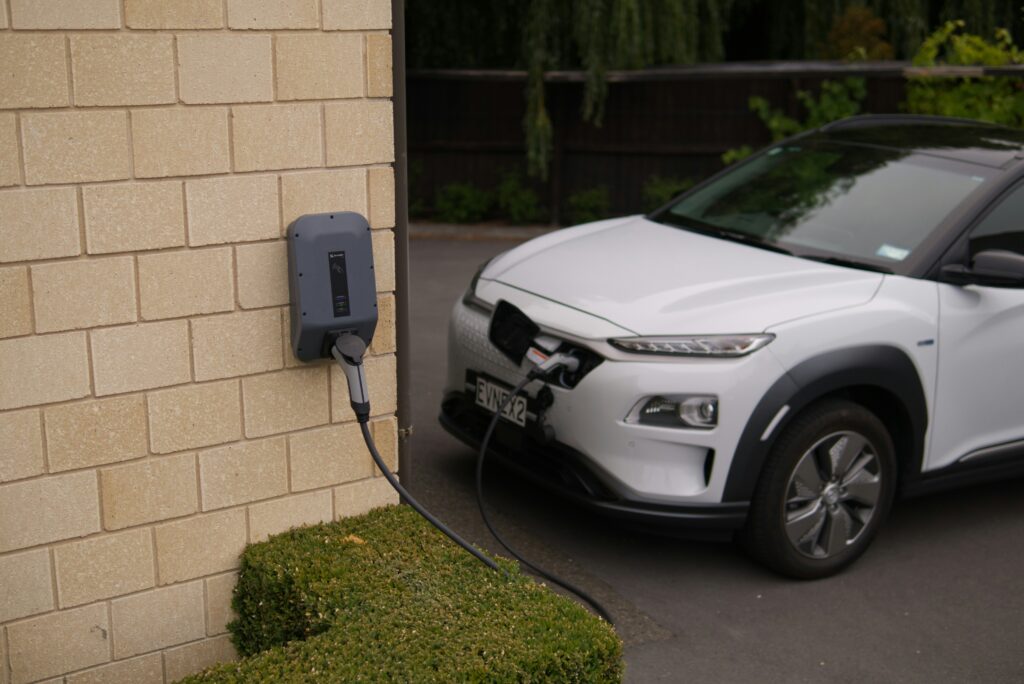
Battery packs typically range from 40-100+ kWh capacity, providing driving ranges of 200-600+ kilometers depending on battery size, vehicle efficiency, and driving conditions. Drivers recharge EVs using home charging equipment, public charging stations, or workplace chargers rather than refueling at traditional service stations.
Petrol vehicles use internal combustion engines burning fuel to create mechanical power driving wheels through complex transmission systems. ICE vehicles represent established, mature technology with extensive support infrastructure including service stations, mechanics, and parts availability throughout Australia.
Modern petrol vehicles incorporate sophisticated engine management, emissions control, and efficiency technologies improving performance and reducing environmental impact compared to older models, though they remain fundamentally dependent on fossil fuel combustion.
Electric vehicles currently command price premiums of $10,000-$25,000+ compared to equivalent petrol vehicles, though this gap narrows as EV technology matures and production scales increase. Entry-level EVs start around $45,000-$50,000 while comparable petrol vehicles begin at $25,000-$35,000.
Government incentives in some Australian states partially offset EV purchase premiums through rebates, stamp duty exemptions, and registration discounts. Victorian EV incentives can reduce effective purchase costs by several thousand dollars for eligible buyers.
Our used cars Melbourne inventory includes both electric and petrol options helping customers compare actual market pricing for different vehicle types.
EV depreciation patterns remain uncertain given limited long-term market data, though early indications suggest depreciation rates similar to or slightly higher than petrol vehicles. Battery degradation concerns and rapidly improving EV technology may accelerate depreciation for early-generation models.
Petrol vehicle depreciation follows well-established patterns, with typical vehicles losing 20-30% in year one and 15-20% annually thereafter. Strong used car markets and comprehensive service networks support petrol vehicle residual values.

Some Australian lenders offer preferential interest rates for EV purchases, recognizing lower running costs and environmental benefits. These specialized finance products can partially offset higher purchase prices through reduced borrowing costs over loan terms.
Our car finance Melbourne services help customers understand financing options for both electric and petrol vehicles, structuring affordable payment plans regardless of technology choice.
Electricity costs for EV charging substantially undercut petrol expenses for equivalent distances. Home charging at typical Melbourne residential electricity rates (25-30 cents per kWh) costs approximately $4-$6 per 100km compared to $12-$16 per 100km for equivalent petrol vehicles.
Public charging costs vary significantly, with free charging available at some locations while DC fast charging can cost $15-$25 per 100km—similar to or exceeding petrol costs. Most EV owners conduct majority charging at home, capturing significant cost advantages.
Annual fuel savings typically range $1,500-$2,500 for average drivers traveling 15,000km annually, though actual savings depend on individual electricity rates, charging patterns, and petrol price fluctuations.
EVs require significantly less maintenance than petrol vehicles given simpler mechanical construction without engines, transmissions, exhaust systems, or complex cooling systems. No oil changes, timing belt replacements, spark plug changes, or transmission servicing dramatically reduce ongoing maintenance costs.
Annual EV maintenance typically costs $300-$500 for tire rotations, brake inspections (reduced wear from regenerative braking), and cabin air filter replacements. Comparable petrol vehicles require $800-$1,500 annually for comprehensive servicing including all fluid changes and component inspections.
Our auto repair Melbourne services provide maintenance for both vehicle types, though EV owners experience substantially lower service frequency and costs.
Some Australian states offer reduced registration costs for EVs, with Victorian discounts providing several hundred dollars annual savings. These registration advantages partially offset higher insurance premiums EVs sometimes attract due to elevated purchase prices and specialized repair requirements.
Insurance costs vary by vehicle value and individual circumstances rather than purely by propulsion type. Our car insurance Melbourne guide helps understand insurance considerations for different vehicle types.
Five-year total ownership costs often favor EVs despite higher purchase prices, with lower running and maintenance costs offsetting initial premiums for typical usage patterns. Break-even points typically occur at 3-5 years depending on annual mileage and electricity costs.
However, buyers retaining vehicles for shorter periods may not recover higher purchase costs through operational savings, making petrol vehicles potentially more economical for short-term ownership scenarios.
Electric motors provide instant maximum torque from standstill, delivering impressive acceleration that often exceeds equivalent petrol vehicles. Even modest EVs demonstrate strong acceleration characteristics making city driving and highway merging effortless.
Petrol vehicles require engine speed buildup to access peak power and torque, with performance characteristics varying significantly by engine size, turbocharging, and transmission type. High-performance petrol vehicles can match or exceed EV acceleration through larger, more powerful engines.
Low-mounted battery packs in EVs create low centers of gravity improving handling dynamics and reducing body roll compared to conventional vehicles. This configuration enhances cornering stability and provides more planted, controlled handling characteristics.
However, heavy battery packs increase total vehicle weight, potentially affecting acceleration, braking distances, and tire wear compared to lighter petrol equivalents. Weight considerations become more significant in performance-focused driving scenarios.
EVs operate almost silently at low speeds, providing exceptionally quiet cabins without engine noise, vibration, or transmission gear changes. This refinement advantage extends to all speeds, with wind and tire noise representing primary noise sources rather than mechanical components.
Modern petrol vehicles achieve good refinement through sound insulation and engine management, though mechanical noise remains present throughout operation. Some drivers prefer traditional engine sounds while others appreciate EV silence.
EVs employ regenerative braking recovering energy during deceleration and returning it to battery packs. This system reduces brake wear substantially while providing distinctive “one-pedal driving” experiences where accelerator release alone provides significant deceleration without brake pedal use.
Regenerative braking requires initial adaptation for drivers accustomed to conventional braking, though most owners quickly appreciate the control and efficiency benefits this system provides.
Modern EVs typically provide 300-500km real-world range on full charges, sufficient for most daily driving and many longer journeys. However, range varies significantly with driving conditions, with highway speeds, cold weather, and heating/cooling use reducing available range substantially.
Petrol vehicles generally offer 500-800km range between refueling, providing greater flexibility for long-distance travel and reducing refueling frequency. Established refueling infrastructure supports convenient, rapid refueling anywhere throughout Australia.
Home charging using standard 240V outlets requires 8-12+ hours for complete charges but suits most daily use patterns where vehicles charge overnight. Dedicated home wall chargers reduce charging times to 4-6 hours for complete charges.
Public DC fast charging can replenish 80% charge in 30-45 minutes, enabling longer journeys with appropriate planning. However, charging infrastructure coverage remains limited compared to petrol stations, particularly in regional areas.
Melbourne offers reasonable EV charging infrastructure throughout metropolitan areas, with coverage improving continuously as EV adoption increases. However, regional Victorian coverage remains sparse compared to metropolitan areas.
Range anxiety—concern about depleting battery charge before reaching destinations or charging facilities—represents legitimate consideration for EV ownership, particularly for regular long-distance drivers or those in areas with limited charging infrastructure.
Most Melbourne-based drivers traveling primarily within metropolitan areas experience minimal range limitations given typical daily distances and home charging availability. However, regular regional travel or inability to charge at home may reduce EV practicality for some users.
For customers requiring vehicles for regular long-distance travel, our car rental Melbourne services provide petrol vehicle options supplementing primary EV ownership when extended range proves necessary.
EVs produce zero direct emissions during operation, with environmental impact determined by electricity generation sources powering charging. Australian electricity grids incorporate increasing renewable energy proportions, improving EV environmental credentials over time.
Life-cycle analysis including manufacturing and electricity generation shows EVs typically produce 30-50% lower greenhouse gas emissions than equivalent petrol vehicles over typical ownership periods, with advantages increasing as electricity generation becomes cleaner.
Petrol vehicles produce direct emissions throughout operation including carbon dioxide, nitrogen oxides, and particulate matter contributing to climate change and local air pollution. While modern engines employ sophisticated emissions controls, combustion inevitably produces environmental impacts.
EV battery production requires significant energy and resources, with environmental impacts concentrated during manufacturing rather than operation. Lithium, cobalt, and nickel mining for battery production raises legitimate environmental and ethical concerns requiring industry attention.
However, battery recycling technologies continue improving, with increasing proportions of battery materials recoverable for new battery production. Established recycling infrastructure development will improve EV life-cycle environmental performance further.
For environmentally-conscious drivers, EVs generally represent more sustainable choices than petrol vehicles, particularly in regions with renewable-heavy electricity generation. However, environmental advantages depend on individual circumstances including electricity sources, driving patterns, and vehicle selection.
Melbourne’s urban environment suits EV ownership well given shorter daily distances, comprehensive charging infrastructure, and home charging accessibility for most residents. City driving maximizes EV efficiency advantages while minimizing range limitation concerns.
Regional Victorian residents face greater EV ownership challenges including limited charging infrastructure, longer average trip distances, and potential home charging difficulties for rural properties without suitable electrical supply.
Apartment residents without dedicated parking or charging facilities face significant EV ownership barriers. Reliance on public charging infrastructure increases costs and inconvenience, potentially eliminating key EV ownership advantages.
Petrol vehicles maintain advantages for apartment dwellers without home charging access, avoiding charging infrastructure dependency and maintaining traditional refueling convenience.
Melbourne’s temperate climate generally favors EV ownership compared to extreme cold regions where battery performance degrades significantly. However, winter range reductions of 15-30% still occur during Melbourne’s cooler months as heating systems draw substantial battery power.
Petrol vehicles maintain consistent performance across temperature ranges, with minimal seasonal variation affecting driving range or refueling requirements.
Businesses with predictable daily driving patterns and depot-based operations often achieve substantial savings through EV fleet adoption. Fixed routes, return-to-base operations, and centralized charging infrastructure maximize EV cost advantages for commercial applications.
Our corporate car rental Melbourne services include both electric and petrol options helping businesses trial different technologies before fleet purchase commitments.
Electric vehicles suit Melbourne homeowners with off-street parking enabling home charging, primarily urban driving patterns, daily distances under 200km, environmental consciousness, and appreciation for technology and refined driving experiences.
Financial considerations favor EVs for high-mileage drivers maximizing fuel savings and those planning extended ownership periods recovering higher purchase costs through operational savings.
Petrol vehicles remain optimal for apartment dwellers without charging access, regular long-distance drivers, those prioritizing lower purchase prices, buyers in areas with limited charging infrastructure, and those preferring established technology with comprehensive support networks.
Budget-conscious buyers unable to absorb higher EV purchase prices may find petrol vehicles provide better value despite higher running costs, particularly for shorter ownership periods.
Some households successfully adopt hybrid approaches maintaining both vehicle types, using EVs for daily urban driving while retaining petrol vehicles for long-distance travel. This strategy captures EV advantages while eliminating range limitation concerns.
Plug-in hybrid vehicles represent compromise options providing electric driving for daily use with petrol engines enabling extended range when required, though these vehicles combine complexity and costs of both technologies.
Yes, for most usage patterns. Home charging costs $4-$6 per 100km compared to $12-$16 for petrol, while maintenance costs run $300-$500 annually versus $800-$1,500 for petrol vehicles. However, higher purchase prices mean total cost advantages require 3-5+ years of ownership to materialize fully. Short-term owners may not recover higher upfront costs through operational savings.
Modern EV batteries typically retain 70-80% capacity after 8-10 years or 200,000+ kilometers. Most manufacturers warrant batteries for 8 years/160,000km, providing protection against premature degradation. Battery replacement costs currently range $10,000-$20,000+ though prices decline as technology matures. Many EVs will require replacement for other reasons before battery replacement becomes necessary.
Yes, EVs are designed for all weather conditions including rain and reasonable water crossings. Battery packs and electrical systems employ sealed, waterproof construction preventing water ingress during normal driving conditions. EVs meet the same water ingress standards as petrol vehicles, making them suitable for typical Australian weather and road conditions.
Running completely out of charge requires roadside assistance with flatbed towing to charging facilities, as EVs cannot be pushed or towed conventionally without potential damage. However, sophisticated battery management systems and multiple low-charge warnings make completely depleting batteries unlikely with reasonable attention to charge levels and planning.
EVs function in all weather conditions though extreme temperatures affect range. Cold weather (below 5°C) reduces range 15-30% through battery efficiency losses and heating system energy use. Hot weather causes minor range reductions through air conditioning loads. Melbourne’s temperate climate minimizes extreme weather impacts compared to very cold or hot regions.

Basic 240V charging using existing outlets costs nothing additional, though dedicated home chargers (wall boxes) cost $800-$2,000 installed depending on electrical work requirements. Government rebates in some states offset installation costs. Most EV owners find basic 240V charging adequate for daily needs, making dedicated chargers optional rather than essential.
Charging infrastructure coverage improves continuously though remains less comprehensive than petrol stations, particularly in regional areas. Melbourne-based urban driving presents minimal infrastructure limitations, while long-distance travel requires more planning than conventional refueling. Major highways offer increasing charging coverage, though some regional routes lack adequate infrastructure for confident EV travel.
Most automotive analysts predict EVs will dominate new vehicle sales within 10-20 years as costs decrease, technology improves, and infrastructure expands. However, complete petrol vehicle replacement will take decades given long vehicle ownership cycles and continued petrol vehicle availability. The transition timeline depends on technological advancement, infrastructure development, and government policy support.
The electric vs petrol cars decision depends entirely on individual circumstances including driving patterns, home charging accessibility, budget considerations, and personal priorities. EV vs ICE comparison reveals that neither technology universally surpasses the other across all situations and requirements.
Electric vehicles excel for Melbourne residents with home charging, primarily urban driving, environmental consciousness, and ability to absorb higher purchase prices while benefiting from lower running costs. Petrol vehicles remain practical choices for those prioritizing lower purchase prices, requiring regular long-distance capability, lacking home charging access, or preferring established technology.
At Emerald Car Sales & Rentals, we support Melbourne customers exploring both electric and petrol vehicle options. Our car sales Melbourne services include guidance on technology choices suited to individual needs, while our diverse inventory accommodates customers regardless of their propulsion preference.
As automotive technology evolves rapidly, we stay current with developments in both electric and conventional vehicles, ensuring our customers receive informed, unbiased guidance supporting optimal purchase decisions for their specific circumstances.
Evaluating electric vs petrol vehicles for your needs? Contact Emerald Car Sales & Rentals today to discuss your specific requirements, driving patterns, and priorities. Our team helps you understand which technology best serves your Melbourne lifestyle while providing access to quality vehicles across all propulsion types.
Contact Emerald Car Sales & Rentals 📍 Melbourne, Victoria
📞 34568990
✉️ contact@emeraldcarsalesandrentals.com.au
Emerald Car Sales & Rentals provides trusted car sales, rentals, and imports across Melbourne with transparency.
© 2025 Emerald Car Sales & Rentals. All Rights Reserved. Designed by ZippyExperts.