
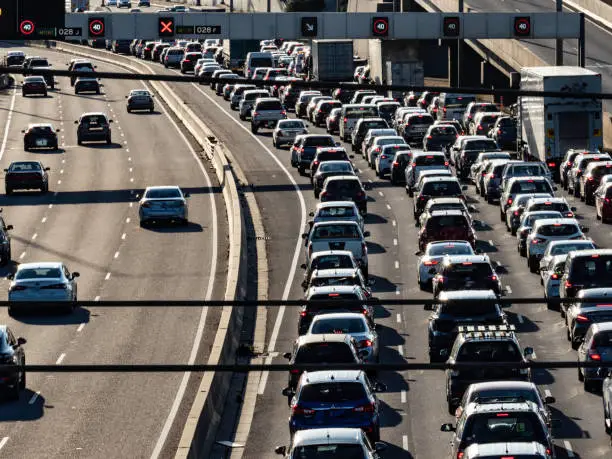
Mastering winter driving tips Melbourne helps drivers navigate safely through the city’s challenging cold-season conditions. While Melbourne winters lack the extreme snow and ice experienced in other regions, cold weather driving still presents unique hazards including reduced visibility from rain and fog, slippery wet roads, early morning frost in outer suburbs, and temperature-related vehicle performance issues requiring specific driving techniques and preparation strategies.
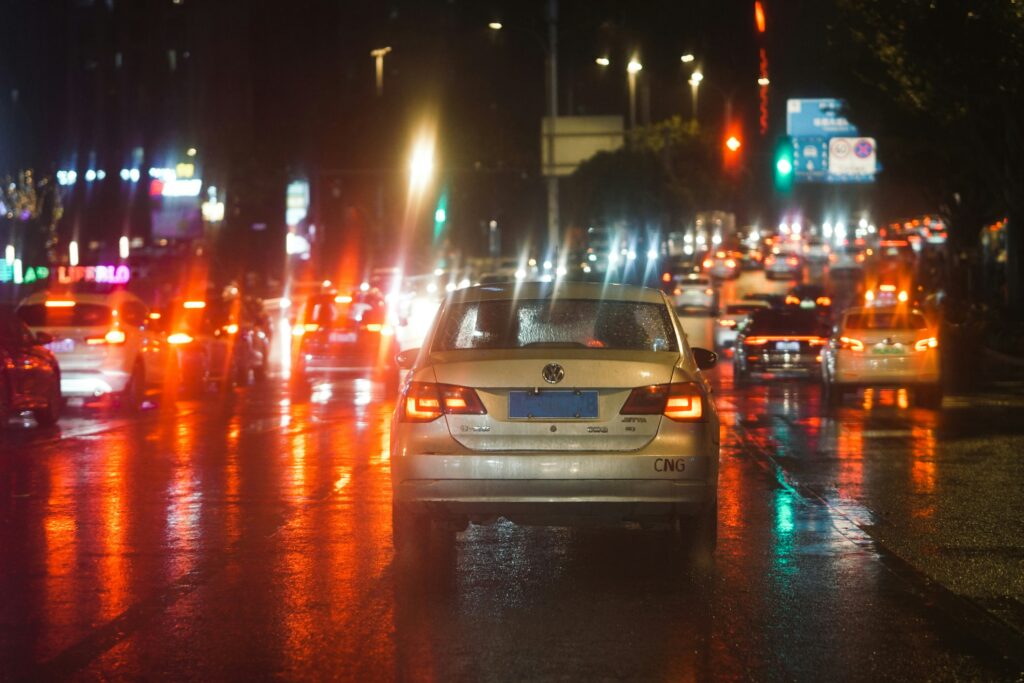
Melbourne winters (June-August) bring temperatures ranging from 6-14°C with frequent rain, occasional fog, extended darkness, and frost in outer suburban areas. While lacking snow and ice that dominate winter driving advice for colder regions, Melbourne’s specific conditions create distinct hazards requiring adapted driving techniques.
Wet roads reduce tire grip by 25-50% compared to dry conditions, while fog can reduce visibility to mere meters. Morning frost creates localized black ice on bridges, overpasses, and shaded road sections. Extended darkness increases collision risk during commute hours when driver alertness naturally declines.
Understanding these Melbourne-specific winter hazards helps drivers implement appropriate safety strategies protecting themselves and other road users throughout the challenging winter season.
Proper vehicle preparation forms the foundation of safe winter driving. Comprehensive pre-winter maintenance should address critical safety systems before challenging conditions arrive.
Battery testing proves particularly important, as cold weather reduces battery capacity by up to 35%. Batteries over three years old deserve professional testing and potential replacement before winter’s cold mornings stress aging cells beyond their starting capability.
Tire condition dramatically affects wet weather safety. Legal minimum tread depth is 1.6mm, though 3mm provides significantly better wet performance and aquaplaning resistance. Winter represents ideal timing for tire replacement if tread approaches minimum depths.
Our seasonal car care Melbourne guide provides comprehensive maintenance checklists ensuring vehicles remain safe and reliable throughout winter months.
Extended winter darkness and reduced visibility during rain make functioning lights essential for safety. Comprehensive lighting inspection should verify operation of headlights, taillights, brake lights, turn signals, and fog lights where fitted.
Clouded or yellowed headlight lenses reduce illumination by 50%+ in some cases. Restoration or replacement dramatically improves nighttime visibility, while proper aim ensures maximum road illumination without blinding oncoming traffic.
Interior lighting including instrument clusters and warning lights also deserves attention, as dashboard visibility proves crucial for monitoring vehicle systems during dark winter commutes.
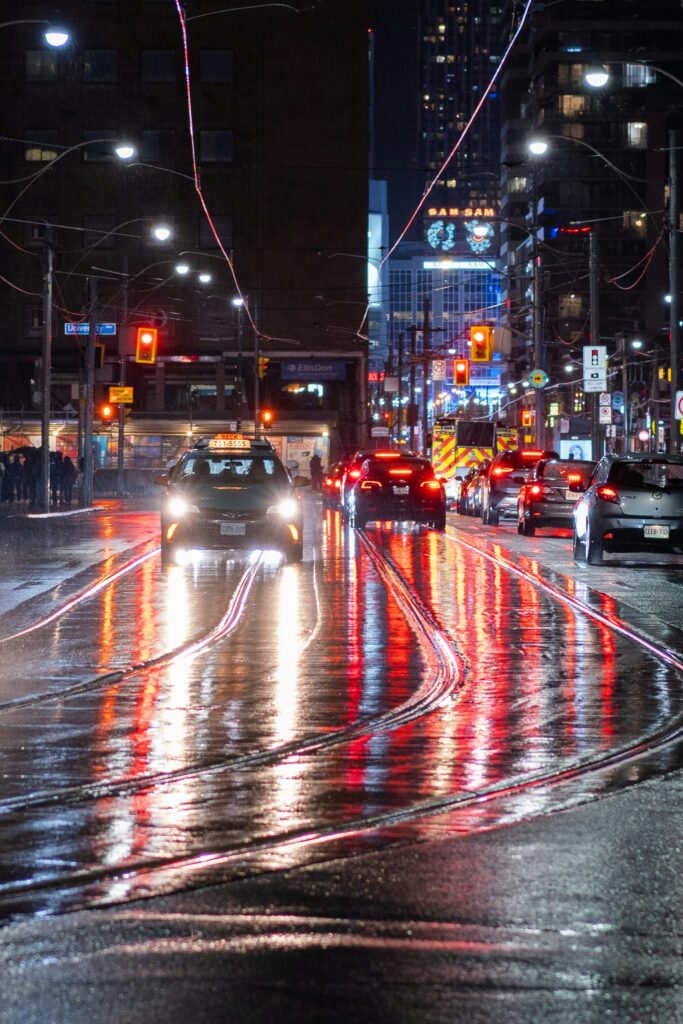
Quality wiper blades become critical during Melbourne’s wet winters. Deteriorated blades causing streaking or incomplete clearing create dangerous visibility limitations during heavy rain.
Wiper blades typically last 6-12 months, with replacement before winter ensuring clear visibility when conditions demand it most. Windscreen washer fluid requires topping up with quality fluid that cleans effectively in cold conditions without freezing.
Windscreen condition itself deserves inspection, as chips or small cracks can expand rapidly during temperature cycling. Winter represents poor timing for windscreen damage, making prompt repairs before winter advantageous.
Wet roads demand significant speed reduction and increased following distances. Reduce speeds by 10-15 km/h below normal dry-weather speeds, with greater reductions during heavy rain or standing water conditions.
Increase following distances to 4-5 seconds minimum (versus 2-3 seconds in dry conditions), allowing additional stopping distance on slippery surfaces. Remember that braking distances can double on wet roads compared to dry conditions.
Melbourne’s wet-weather speed limits reduce by 10 km/h on some major roads during rain, indicated by variable speed signs. Always observe these reduced limits and adjust speed further based on actual visibility and road conditions.
Aquaplaning occurs when water layers build between tires and road surfaces, causing complete loss of steering and braking control. Risk increases with vehicle speed, water depth, tire condition, and tire pressure.
Reduce speeds below 80 km/h during heavy rain, as aquaplaning risk increases significantly above this threshold. Avoid sudden steering inputs or hard braking if aquaplaning occurs—instead, ease off the accelerator gently and maintain straight steering until traction returns.
Proper tire inflation and adequate tread depth dramatically reduce aquaplaning risk. Monthly tire pressure checks and tread depth monitoring provide essential protection against this dangerous phenomenon.
Smooth, progressive braking proves crucial on wet roads. Avoid hard braking that can lock wheels (in non-ABS vehicles) or trigger aggressive ABS intervention causing longer stopping distances.
Begin braking earlier than normal, applying steady progressive pressure rather than sudden hard applications. This technique maintains better tire contact with road surfaces, providing more effective stopping.
ABS systems help prevent wheel lockup during emergency braking but still require longer stopping distances on wet surfaces. Understanding that ABS provides control rather than reduced stopping distance helps set appropriate following distances and speeds.
Wet roads dramatically reduce cornering grip, with slippery conditions multiplying the risk of loss of control during turns. Reduce cornering speeds significantly, entering turns more slowly than feels necessary initially.
Complete braking before entering turns rather than braking while cornering. This technique maintains better tire contact and reduces the risk of skidding or sliding during turns.
Accelerate gently when exiting corners, avoiding sudden throttle applications that can break rear-wheel traction, particularly in rear-wheel-drive vehicles.
Melbourne’s winter mornings occasionally bring dense fog reducing visibility substantially. Fog driving demands specific techniques different from rain driving.
Use low-beam headlights rather than high beams, as high beams reflect off fog droplets actually reducing visibility. Fog lights, where fitted, provide optimal illumination by projecting light low and wide beneath fog layers.
Maintain even greater following distances in fog, as visibility limitations prevent early hazard detection. Avoid relying solely on following taillights of vehicles ahead, as this practice provides insufficient time to respond if leading vehicles stop suddenly.
Never stop on roadways in fog unless absolutely necessary. If stopping becomes unavoidable, move completely off the road and activate hazard lights warning following traffic.
Heavy rain dramatically reduces visibility, sometimes to the point where continuing travel becomes unsafe. When rain reduces visibility such that lane markings and other vehicles become difficult to discern, consider pulling off safely and waiting for conditions to improve.
Ensure windscreen wipers operate at appropriate speeds for rain intensity. Modern variable-speed wipers allow precise adjustment to conditions, while automated rain-sensing wipers adjust automatically.
Windscreen defrosting prevents internal fogging that further compromises visibility. Use air conditioning (even in winter) to remove moisture from cabin air, maintaining clear windscreens during temperature and humidity variations.
Victorian law mandates specific documentation for all used car transfers. Every vehicle sale must include proper paperwork to ensure legal compliance and buyer protection.
Required Documentation:
Melbourne’s diverse environmental conditions create specific wear patterns that experienced buyers recognise. Professional inspection focuses on areas most affected by local driving conditions.
Key Inspection Areas:
With over 15 years serving Melbourne’s automotive community, Emerald Car Sales & Rentals has built a reputation based on quality, transparency, and exceptional customer service. Our team understands Melbourne’s unique driving conditions and buyer preferences, ensuring perfect vehicle matches for every customer.
Our Quality Commitment:
Service Excellence Standards: Our experienced sales consultants invest time understanding individual requirements, matching customers with vehicles perfectly suited to their lifestyle and budget. We believe informed customers make better decisions, providing comprehensive information about every aspect of potential purchases.
Outer Melbourne suburbs regularly experience overnight frost during winter, creating localized hazardous conditions on roads, particularly bridges, overpasses, and shaded areas that remain cold longer than surrounding roads.
Frost creates slippery surfaces similar to ice, dramatically reducing tire grip during early morning hours before sun warmth melts accumulated frost. Exercise particular caution during first journeys on frosty mornings, particularly in outer suburbs and elevated road sections.
Black ice—virtually invisible ice forming on road surfaces—represents even greater hazards. Bridges and overpasses freeze before other road sections due to cold air circulation above and below surfaces. Shaded areas also maintain freezing temperatures longer than sun-exposed sections.
Allow engines to warm briefly before driving on cold mornings, though modern engines require only 30-60 seconds of idling before gentle driving can begin. Avoid high engine speeds and hard acceleration until engines reach operating temperatures.
Remove all frost from windscreens, windows, and mirrors before driving. Attempting to drive while windscreens clear creates dangerous visibility limitations. Use plastic scrapers or defrosting features rather than hot water that can crack cold glass.
Allow extra travel time on frosty mornings, both for vehicle preparation and slower driving speeds appropriate for potentially slippery conditions.
Melbourne winters bring extended darkness during typical commute hours, with sunrise occurring after 7am and sunset before 6pm during June and July. This extended darkness increases collision risk, particularly during evening commutes when driver fatigue peaks.
Ensure headlights illuminate properly and use them whenever visibility reduces even slightly. Many modern vehicles include automatic headlights that engage in low-light conditions, though manual verification ensures they activate appropriately.
Reduce speeds slightly during night driving as visibility limitations reduce hazard detection distance. This speed reduction provides additional reaction time when hazards become visible.
Winter darkness affects circadian rhythms, often increasing fatigue during dark morning and evening commutes. Recognize fatigue warning signs including yawning, difficulty focusing, heavy eyelids, and wandering thoughts.
Take breaks every two hours during longer journeys, with short walks and fresh air helping restore alertness. Caffeine provides temporary alertness boosts though shouldn’t substitute for adequate rest.
If fatigue becomes severe, stop safely and rest rather than continuing with compromised alertness. Many Melbourne parking areas and rest stops provide safe locations for brief rest breaks during journeys.
For customers requiring alternative transportation when fatigue prevents safe driving, our car rental Melbourne services provide flexible options avoiding compromised safety through fatigued driving.
Melbourne’s freeways including Eastern Freeway, Monash Freeway, and West Gate Freeway present specific winter challenges. Higher speeds combined with wet conditions and spray from other vehicles reduce visibility and increase collision severity risk.
Maintain particular vigilance during rain on freeways, as high-speed aquaplaning risk increases and heavy vehicle spray reduces visibility substantially. Increase following distances beyond normal standards, allowing for reduced visibility and longer stopping distances.
Inner Melbourne’s dense traffic and complex intersections require heightened attention during winter. Wet tram tracks become particularly slippery, requiring cautious approach speeds and gentle acceleration when crossing tracks.
Traffic congestion during winter rain often increases collision risk as impatient drivers make poor decisions. Maintain patience and defensive positioning, allowing extra space around your vehicle and avoiding aggressive lane changes common during congested conditions.
Regional Victorian roads present additional winter hazards including reduced maintenance standards, wildlife collision risks, and longer distances between services if vehicles develop problems.
Reduce speeds on regional roads during rain, as drainage often proves less effective than major metropolitan roads. Wildlife activity increases during dawn and dusk periods coinciding with winter commute times, requiring particular vigilance.
Ensure vehicles are well-maintained before regional winter travel, as breakdowns in remote areas during cold wet weather create significantly greater discomfort and safety challenges than metropolitan breakdowns.
Maintain emergency supplies in vehicles during winter including:
These supplies prove invaluable if breakdowns or emergencies occur during cold weather, potentially meaning the difference between minor inconvenience and serious discomfort or danger.
If vehicle breakdowns occur during winter conditions, ensure safety first by moving completely off roadways where possible. Activate hazard lights and use reflective triangles if available, warning approaching traffic of stationary vehicles.
Stay with vehicles unless immediate danger necessitates evacuation, as vehicles provide shelter from weather and remain visible to emergency services. Call for assistance and provide clear location information.
Our auto repair Melbourne services provide emergency support helping customers address unexpected vehicle issues throughout winter months.
Recent vehicles incorporate technologies specifically beneficial during winter driving. Electronic stability control (ESC) helps maintain control during slippery conditions, while traction control prevents wheel spin during acceleration on slick surfaces.
Advanced driver assistance systems (ADAS) including collision warning and autonomous emergency braking provide additional protection during reduced visibility conditions when reaction times may be compromised.
Understanding vehicle safety feature operation helps maximize their protective benefits during challenging winter conditions.
While safety technologies provide genuine benefits, they don’t eliminate the need for appropriate driving techniques and speeds. Rely on these systems as additional safety layers rather than substitutes for proper winter driving practices.
Maintain awareness that safety systems have limitations, particularly during extreme conditions. Don’t allow technology to create false confidence leading to inappropriate speeds or following distances for actual conditions.
No, dedicated winter tires designed for snow and ice aren’t necessary for Melbourne’s mild winters. However, ensure all-season tires maintain adequate tread depth (minimum 3mm recommended) for effective wet weather performance. Quality all-season tires with good tread provide sufficient grip for Melbourne winter conditions including rain and occasional frost.
Reduce speeds by 10-15 km/h below normal dry conditions during steady rain, with greater reductions during heavy downpours or when standing water appears on roads. Some Melbourne roads display variable speed limits reducing by 10 km/h during wet conditions—always observe these limits. Actual speed reductions should reflect visibility and road surface conditions.
Avoid sudden steering or braking inputs that can worsen skids. If the rear end slides (oversteer), steer gently in the direction you want the front to point while easing off the accelerator. If the front pushes wide (understeer), straighten steering and reduce speed gently until traction returns. ABS allows maintained steering during hard braking, so continue steering toward your intended direction while braking firmly.
Use air conditioning even during winter to remove moisture from cabin air, directing airflow toward windscreen. Air conditioning dehumidifies air preventing fog formation. Avoid recirculation mode which traps moisture inside cabin. Modern vehicles include automatic climate control managing these functions, though manual adjustment may improve results in particularly humid conditions.
Melbourne experiences moderate winter road conditions—less challenging than alpine regions or Tasmania but more demanding than warmer northern cities. Regular rain creates genuine wet-road hazards requiring adapted driving techniques, while occasional fog and frost demand additional caution. Overall, Melbourne winters require heightened awareness without necessitating extreme precautions needed in snow and ice regions.
Use fog lights during actual fog conditions where visibility reduces substantially, though they’re generally unnecessary during standard rain. Front fog lights improve visibility during fog by projecting light low and wide beneath fog layers. However, using fog lights during normal conditions can dazzle other drivers. Rear fog lights should only be used during severely reduced visibility to avoid dazzling following traffic.
Check tread depth using the simple 20-cent coin test—insert a 20-cent coin into tread grooves with the platypus facing down. If you can see the platypus’s bill, tread depth is insufficient and replacement is needed. Legal minimum is 1.6mm though 3mm provides much better wet weather performance. Also check for uneven wear, cracks, or bulges indicating replacement need.
Maintaining dry-weather speeds and following distances during wet conditions represents the most common and dangerous mistake. Many drivers fail to adjust behavior appropriately for reduced grip and visibility, resulting in avoidable collisions. Always reduce speed and increase following distance during rain, fog, or cold conditions—these adjustments are the single most effective winter safety measures.
Winter driving tips Melbourne encompass vehicle preparation, adapted driving techniques, visibility management, and emergency preparedness addressing this city’s specific cold-season challenges. While Melbourne winters avoid extreme snow and ice, cold weather driving still demands heightened awareness, appropriate speed reductions, increased following distances, and proper vehicle maintenance ensuring safety throughout the challenging season.
Understanding that wet roads reduce grip by 25-50%, fog dramatically limits visibility, and morning frost creates localized slippery conditions helps drivers implement appropriate safety strategies. Combined with proper vehicle preparation including tire, wiper, lighting, and battery maintenance, these techniques substantially reduce winter collision risk.
At Emerald Car Sales & Rentals, we help Melbourne drivers prepare vehicles for safe winter driving through comprehensive maintenance services addressing seasonal safety requirements. Our auto repair Melbourne team provides pre-winter inspections ensuring vehicles remain safe and reliable throughout challenging conditions.
Whether you’ve recently purchased a vehicle through our used cars Melbourne service or own vehicles requiring seasonal preparation, our maintenance expertise helps ensure safe winter operation across Melbourne’s diverse driving conditions.
Prepare your vehicle for safe Melbourne winter driving? Contact Emerald Car Sales & Rentals today to schedule comprehensive pre-winter maintenance ensuring your vehicle is ready for the season’s challenging conditions. Our experienced team provides the inspection and service your vehicle needs for confident, safe winter travel throughout Melbourne.
Contact Emerald Car Sales & Rentals 📍 Melbourne, Victoria
📞 34568990
✉️ contact@emeraldcarsalesandrentals.com.au
Emerald Car Sales & Rentals provides trusted car sales, rentals, and imports across Melbourne with transparency.
© 2025 Emerald Car Sales & Rentals. All Rights Reserved. Designed by ZippyExperts.