
Maintaining a comprehensive car emergency kit provides crucial preparedness for unexpected roadside situations ranging from minor inconveniences to potentially serious emergencies. Proper roadside emergency supplies enable self-sufficiency during breakdowns, accidents, or adverse conditions, reducing stress and improving safety outcomes when vehicles or circumstances fail to cooperate with plans.
Vehicle emergencies occur with surprising frequency throughout Melbourne and regional Victoria. Flat tires, dead batteries, minor mechanical failures, and unexpected weather situations affect thousands of motorists annually, often in locations or times when immediate assistance proves difficult to obtain.
A properly stocked car emergency kit transforms these situations from crises into manageable inconveniences. Rather than waiting helplessly for assistance in uncomfortable or unsafe conditions, prepared drivers can address many issues independently or maintain safety and comfort while help arrives.
Beyond practical benefits, emergency kits provide psychological reassurance. Knowing you’re prepared for common contingencies reduces travel anxiety and increases confidence during unfamiliar journeys or challenging conditions.
Reflective warning triangles represent the most important safety signaling equipment for roadside emergencies. When vehicles stop on or near roadways, warning triangles positioned 50-100 meters behind stopped vehicles alert approaching traffic, preventing secondary collisions.
Quality triangles include weighted bases preventing wind displacement and highly reflective surfaces visible from several hundred meters. Collapsible designs store efficiently while deploying quickly during emergencies.
Victorian regulations require stopped vehicles display warning devices when stopped on roadways or shoulders, making triangles legal requirements beyond practical safety tools.
Reflective safety vests make drivers visible to approaching traffic when exiting vehicles during roadside emergencies. Dark clothing provides minimal visibility, particularly during dawn, dusk, or night when many emergencies occur.
Quality vests meeting Australian standards (AS/NZS 1906.4) include bright fluorescent colors and retro-reflective strips ensuring visibility under various lighting conditions. Store vests within easy reach rather than buried in boot contents, as emergencies may require immediate vehicle exit.
Battery-powered LED hazard lights provide additional warning visibility beyond vehicle hazard lights. Magnetic bases attach to vehicle roofs or bodies, while flashing red LEDs attract attention from greater distances than standard vehicle lights.
Traditional flares provide intense illumination though require careful handling and create fire risks. LED alternatives eliminate these concerns while providing reliable, reusable warning capability.
Quality LED torches prove essential for nighttime emergencies, providing illumination for inspecting vehicles, changing tires, or signaling for help. Select torches with good battery life, durable construction, and sufficient brightness (minimum 200+ lumens).
Keep spare batteries in emergency kits, as torch batteries deteriorate over time. Alternatively, hand-crank or solar-rechargeable torches eliminate battery dependency though typically provide less intense illumination.
Dead batteries represent one of the most common vehicle emergencies, particularly during Melbourne’s cold winter mornings. Heavy-duty jumper cables (minimum 4-gauge wire, 3+ meters length) enable jump-starting from other vehicles, though require finding willing assistance.
Portable jump starters eliminate dependence on other vehicles, using internal batteries providing multiple jump-start attempts. Modern lithium jump starters occupy minimal space while delivering substantial cranking power. Ensure jump starters remain charged, recharging every 3-6 months even when unused.
Our auto repair Melbourne services include battery testing helping identify weak batteries before they cause roadside emergencies.
Compact tool kits containing essential tools enable minor repairs and adjustments. Include:
While not enabling major repairs, these tools address minor issues like loose components, facilitate tire changes, and provide improvised solutions for various problems.
Many vehicles include space-saver spare tires, jacks, and wheel wrenches. Verify these items exist and function before emergencies occur. Space-saver tires have speed and distance limitations (typically 80 km/h maximum, 80km distance) requiring immediate full-size tire repair or replacement.
Some modern vehicles substitute tire repair kits or run-flat tires for spare tires. Understand your vehicle’s flat tire solution and ensure necessary equipment remains present and functional.
Tire pressure gauges help maintain proper inflation, reducing flat tire frequency through proper preventive maintenance.
Tire puncture repair kits enable temporary repairs for punctures in tire treads (not sidewalls). Kits include rubber plugs, insertion tools, and sealants creating temporary repairs lasting until proper professional repairs.
Portable 12V air compressors reinflate repaired tires or address slow leaks extending travel capability to proper repair facilities. Compact compressors store easily while providing sufficient inflation capability for standard passenger vehicles.
Heavy-duty tow straps enable short-distance vehicle recovery or repositioning during emergencies. While not suitable for long-distance towing, straps help extract vehicles from ditches, move disabled vehicles off roadways, or facilitate emergency maneuvering.
Select straps rated for vehicle weight (minimum 3,000kg breaking strength for passenger vehicles) with reinforced loops preventing damage during towing.
First aid kits address medical needs during accidents or emergencies. Comprehensive kits should include:
Replace expired items annually and replenish used supplies immediately maintaining kit completeness.
Include several days’ supply of any essential prescription medications in emergency kits, particularly for chronic conditions requiring continuous medication. Rotate stock regularly preventing expiration.
For regional travel where medical assistance may be hours away, additional medication supplies provide crucial security during extended emergency situations.
Maintain written emergency contact information including:
Digital devices may be damaged or depleted during emergencies, making paper backups essential for reliable access to critical information.
Store several liters of water and non-perishable snacks in emergency kits. While most Melbourne emergencies resolve within hours, regional travel or extreme circumstances could necessitate extended waits for assistance.
Replace water annually preventing stale taste and bacterial growth. Include high-energy snacks like nuts, energy bars, or dried fruit providing sustenance without refrigeration requirements.
Thermal emergency blankets fold compactly while providing surprising warmth during cold-weather emergencies. Metallic coating reflects body heat, maintaining core temperature during extended exposure to cold conditions.
Include warm clothing items such as jackets, hats, and gloves, particularly for regional travel during winter months. Melbourne’s variable weather can shift from mild to cold rapidly, making preparedness essential.
Our winter driving tips Melbourne guide provides additional cold-weather preparedness information for seasonal travel.
Compact disposable or reusable ponchos protect against rain during tire changes or vehicle inspections. Remaining dry improves comfort and prevents hypothermia risk during cold, wet weather emergencies.
Multi-tools provide numerous functions in compact packages including knives, scissors, screwdrivers, bottle openers, and various specialized tools. While not replacing dedicated tools, multi-tools offer versatility for unexpected situations.
12V vehicle chargers and portable power banks maintain phone functionality during emergencies. Ensure chargers remain compatible with current phone models, replacing as devices upgrade.
Portable power banks provide phone charging even when vehicles can’t run, though require periodic recharging maintaining functionality. Solar chargers offer ultimate independence though typically charge slowly.
GPS and smartphone navigation fail when batteries deplete or signal coverage disappears. Physical maps of Melbourne and regional Victoria provide navigation backup during technology failures.
Include major highways, metropolitan Melbourne, and regions you frequently visit. While bulky compared to digital navigation, paper maps never lose charge or signal.
Loud whistles signal for help when vocal calls fail to carry sufficient distance. Compact plastic whistles cost little while potentially proving invaluable during situations requiring assistance from distance.
Melbourne summers demand additional supplies including:
Summer heat can create dangerous conditions rapidly, particularly in vehicles with failed air conditioning waiting roadside for extended periods.
Winter travel requires supplementary items:
Regional Victorian winter travel particularly demands comprehensive winter preparedness given potential for extended waits in cold conditions.
Extended regional travel warrants additional supplies beyond metropolitan requirements:
Regional areas may experience extended assistance delays, making self-sufficiency crucial during emergencies far from population centers.
Inspect emergency kits quarterly, checking:
Replace expired items immediately and repair or replace damaged equipment maintaining kit readiness.
Adjust kit contents seasonally, adding summer or winter-specific items as appropriate. This rotation ensures kits remain optimized for current conditions rather than containing obsolete seasonal supplies.
After using emergency kit items, replace immediately rather than waiting for routine inspections. Depleted kits provide no assistance during subsequent emergencies, making prompt restocking essential.
Families with children require additional supplies including:
Travelers with pets should include:
Individuals with specific medical conditions should ensure emergency kits include:
Store emergency kits in easily accessible locations, typically vehicle boots/trunks. Avoid burying kits under regular cargo, as emergency access requires immediate availability.
Consider storing high-priority items like safety vests and warning triangles in passenger compartments for instant access during emergencies requiring immediate vehicle exit.
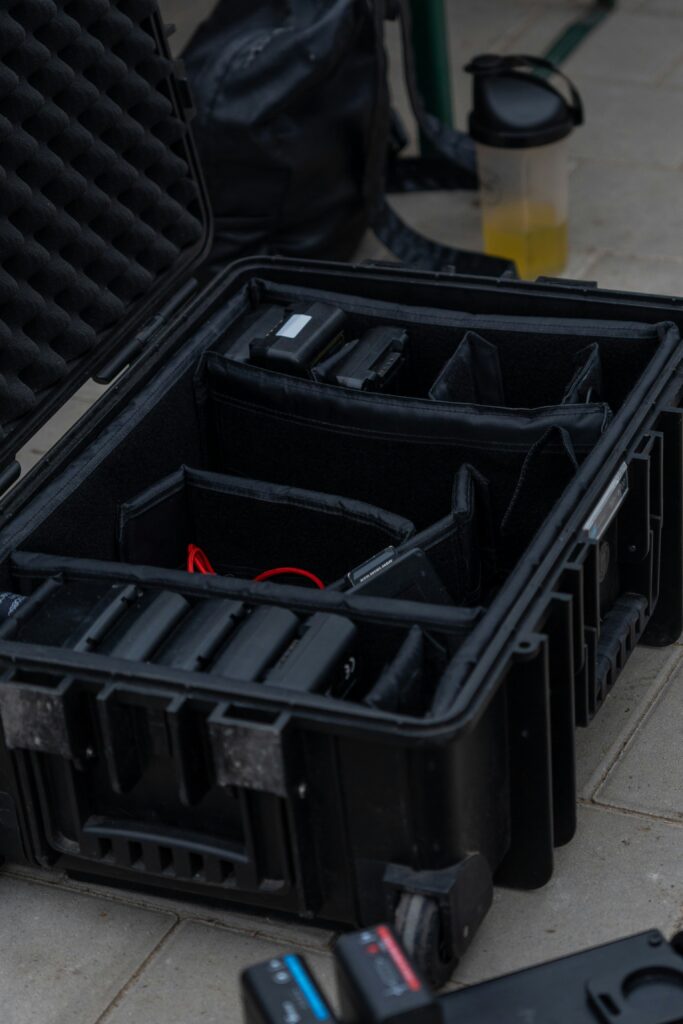
Store kit contents in waterproof containers protecting against moisture, dust, and temperature extremes. Plastic bins with sealed lids provide excellent protection while allowing easy organization and access.
Organize kit contents logically, grouping related items together. Clear labeling and systematic organization enables quick location of specific items during stressful emergency situations.
For customers maintaining multiple vehicles including purchases from our used cars Melbourne inventory, consider assembling standardized kits for each vehicle ensuring consistent preparedness across your fleet.
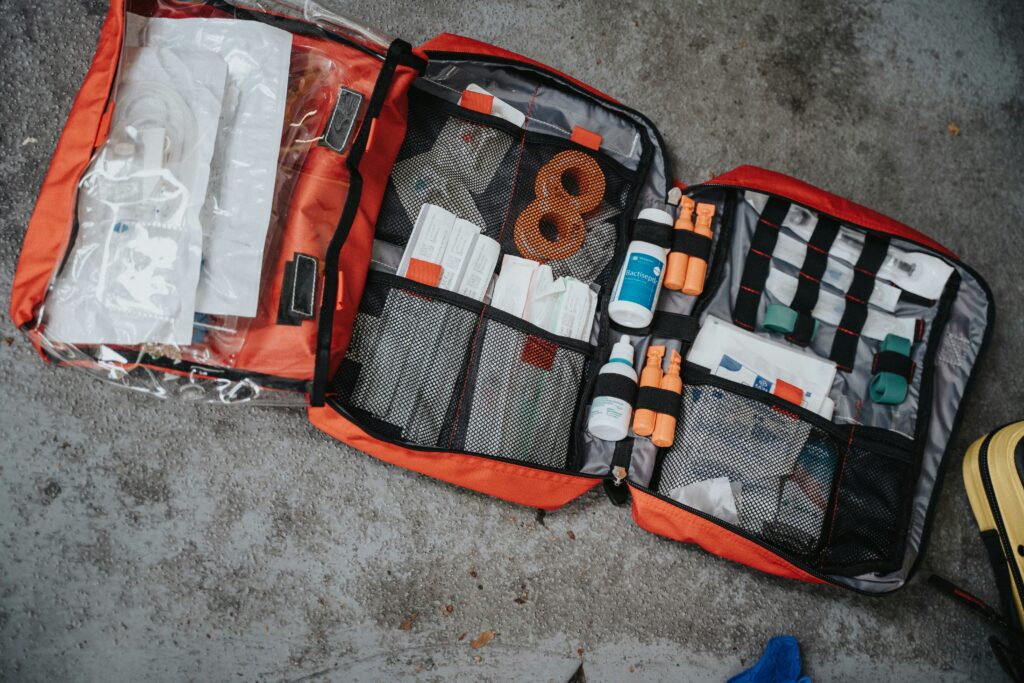
Minimum essentials include: warning triangle, high-visibility vest, torch with spare batteries, first aid kit, basic tools, jumper cables or jump starter, mobile phone charger, water, and emergency contact information. These items address most common emergencies while remaining affordable and compact enough for any vehicle.
Basic kits cost $100-$200 assembling individual items, while pre-packaged kits range $80-$300 depending on comprehensiveness. Premium kits with advanced equipment can exceed $400. However, assembling kits gradually over time reduces immediate cost while ensuring quality item selection suited to your specific needs and vehicle.
Inspect kits quarterly, replacing expired items (food, water, medications, batteries) as needed. Most first aid supplies expire within 2-5 years. Replace tools and equipment when damaged or non-functional. Completely audit kits annually, replacing aged items even if not technically expired, ensuring optimal reliability during actual emergencies.
Both approaches work well. Pre-made kits offer convenience and completeness though may include unnecessary items or compromise on quality. Custom-assembled kits allow precise selection of quality items matching your specific needs and vehicle, though require more effort and research. Consider starting with basic pre-made kits and augmenting with additional items addressing your circumstances.
Store kits in vehicle boots/trunks for easy access without occupying passenger space. Keep high-priority items like safety vests and warning triangles in passenger compartments for immediate access during emergencies requiring instant vehicle exit. Secure containers preventing shifting during normal driving while remaining easily accessible when needed.
While core emergency supplies remain constant year-round, seasonal additions optimize preparedness. Add extra water, sunscreen, and cooling items during summer, while winter demands additional warm clothing, blankets, and cold-weather supplies. Rotate seasonal items as weather changes rather than maintaining duplicate complete kits.
Victorian law requires warning triangles or alternative warning devices when stopped on roadways. While not legally mandatory, high-visibility vests are strongly recommended and required in some European countries. First aid kits, while not legally required, are essential safety equipment. Meeting legal minimums shouldn’t limit your preparedness—comprehensive kits provide far greater safety than legal requirements alone.
Small fire extinguishers can suppress minor vehicle fires though require proper training for effective use. Vehicle fires often develop rapidly beyond extinguisher capabilities, making immediate evacuation and emergency service notification critical. If including extinguishers, ensure proper mounting, regular inspection, and understand limitations—never risk personal safety attempting to fight significant vehicle fires.
A comprehensive car emergency kit represents essential preparation for unexpected roadside situations affecting Melbourne drivers regularly. Proper roadside emergency supplies transform potential crises into manageable situations, providing self-sufficiency, safety, and comfort during breakdowns, accidents, or adverse conditions requiring unexpected roadside stops.
From essential safety equipment like warning triangles and visibility vests through practical tools, first aid supplies, and comfort items, well-assembled emergency kits address diverse scenarios drivers may encounter throughout metropolitan Melbourne, regional Victoria, or during longer interstate journeys.
At Emerald Car Sales & Rentals, we encourage all customers to maintain comprehensive emergency kits in their vehicles. Whether you’ve recently purchased through our car sales Melbourne services or own vehicles requiring emergency preparation updates, investing in proper emergency supplies provides invaluable security and preparedness.
Regular vehicle maintenance through our auto repair Melbourne services reduces emergency frequency, though even perfectly maintained vehicles can experience unexpected issues. Emergency kits provide essential backup ensuring safety and self-sufficiency when prevention inevitably fails.
Ready to ensure your vehicle is properly equipped for roadside emergencies? Contact Emerald Car Sales & Rentals today for guidance on emergency kit essentials and comprehensive vehicle maintenance ensuring your Melbourne travels remain safe and worry-free.
Contact Emerald Car Sales & Rentals 📍 Melbourne, Victoria
📞 34568990
✉️ contact@emeraldcarsalesandrentals.com.au
Emerald Car Sales & Rentals provides trusted car sales, rentals, and imports across Melbourne with transparency.
© 2025 Emerald Car Sales & Rentals. All Rights Reserved. Designed by ZippyExperts.