
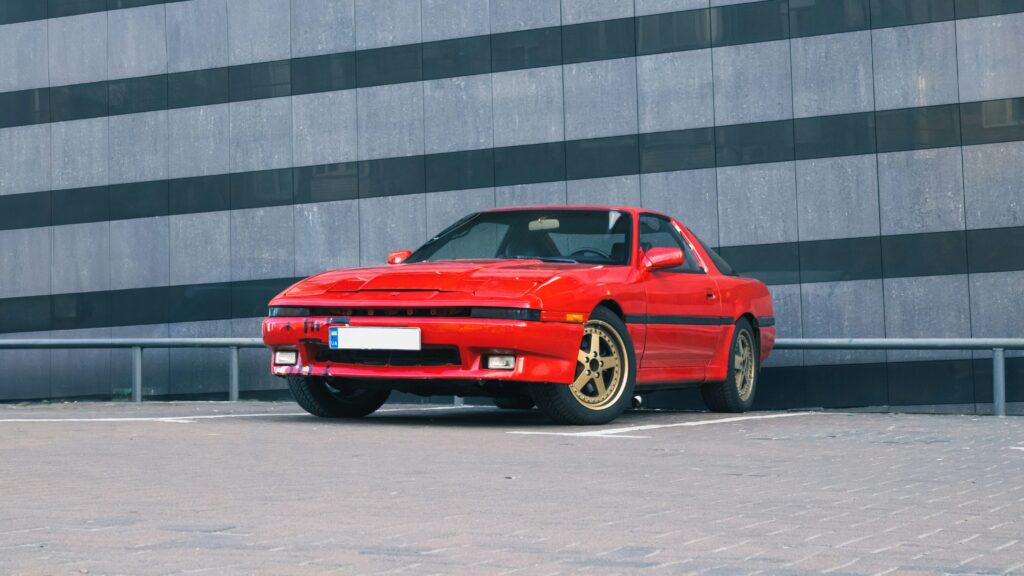
The process to import cars from Japan has become increasingly popular among Australian automotive enthusiasts seeking access to unique models, superior build quality, and competitive pricing not available through local dealers. Japanese car import Australia offers opportunities to acquire everything from fuel-efficient kei cars to high-performance sports vehicles that showcase Japan’s automotive engineering excellence. Understanding the importation process, compliance requirements, and associated costs helps buyers make informed decisions about acquiring Japanese vehicles.
At Emerald Car Sales & Rentals, we’ve assisted numerous Melbourne customers navigate the complex world of Japanese vehicle importation. Our expertise in car import services Australia helps customers understand requirements, manage processes, and ensure successful vehicle acquisition from Japan’s diverse automotive market.
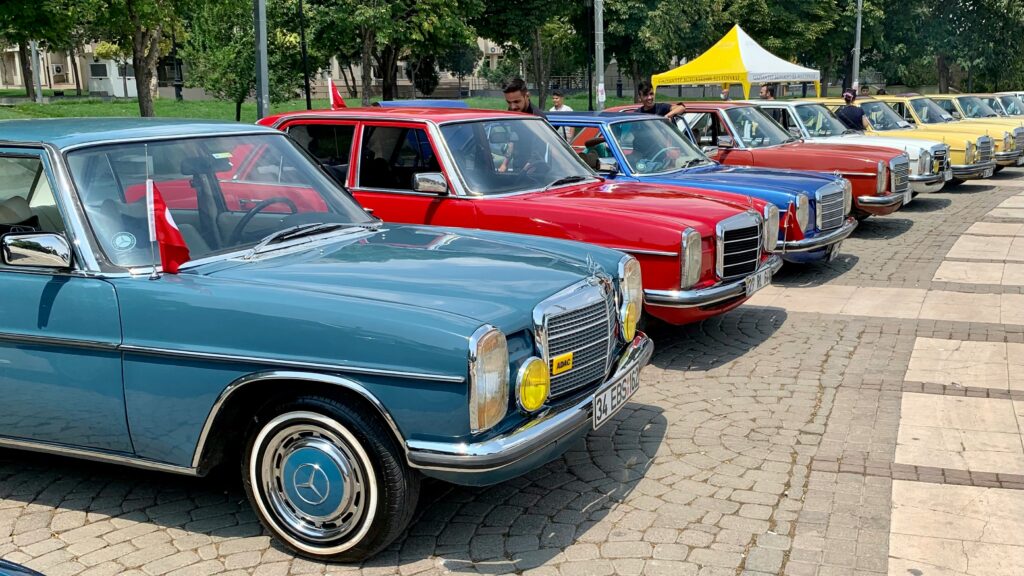
Japan’s domestic automotive market produces vehicles with unique specifications, advanced technology, and build quality often superior to export models. Many desirable models never reach Australian shores through official channels, making importation the only access route for enthusiasts and collectors.
Japanese car import Australia provides access to vehicles with lower mileage, comprehensive service histories, and often superior condition due to Japan’s strict inspection requirements and cultural approach to vehicle maintenance.
Japanese imports range from practical kei cars and hybrid vehicles to high-performance sports cars and luxury vehicles, each category offering unique advantages and appeal to different Australian buyer segments.
Classic Japanese vehicles often appreciate significantly in value, making strategic importation both a passion project and potential investment opportunity for knowledgeable buyers.
Japanese Domestic Market (JDM) performance vehicles including Nissan Skyline GT-R, Toyota Supra, and Honda NSX represent the pinnacle of Japanese automotive engineering, often unavailable or significantly modified for Australian market compliance through traditional channels.
Japan’s unique kei car category offers ultra-efficient, compact vehicles perfect for urban environments. These lightweight, economical vehicles provide excellent fuel economy and easy parking while meeting Australian compliance standards.
Japanese luxury brands like Lexus, Infiniti, and premium Toyota models often feature specifications and options unavailable in Australian-delivered vehicles, providing enhanced comfort and technology features.
Japanese commercial vehicles including compact trucks, vans, and specialized utility vehicles offer unique capabilities and configurations not available through Australian commercial vehicle channels.
Japan’s advanced hybrid technology and alternative fuel vehicles provide early access to environmental technologies often years ahead of Australian market introduction.
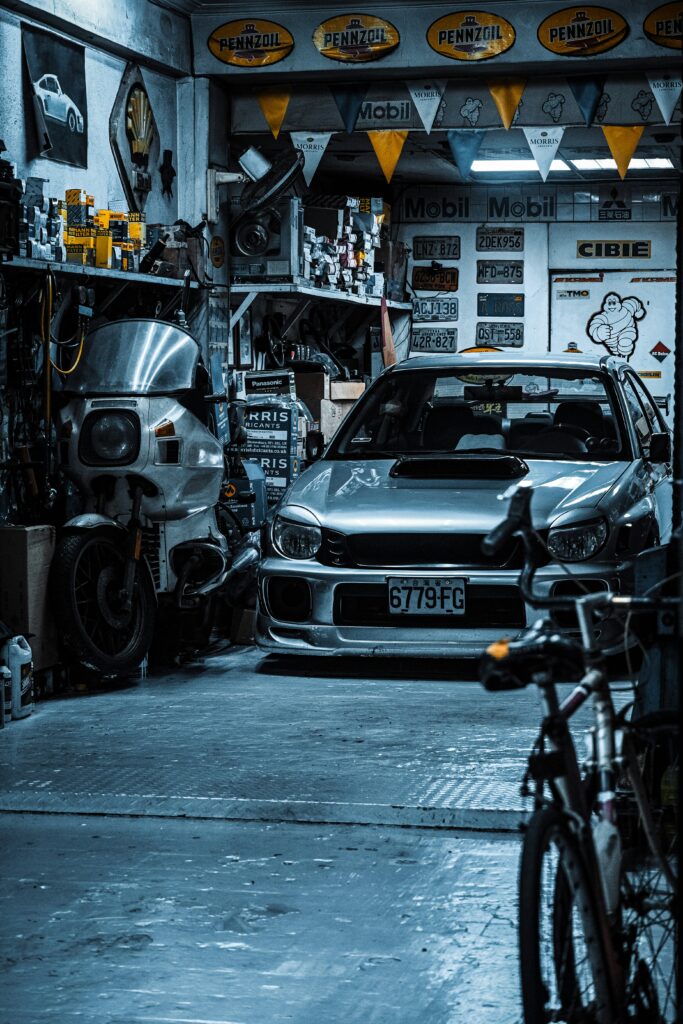
Successful Japanese car import Australia begins with thorough research into available models, pricing trends, and importation feasibility. Consider factors including age restrictions, compliance costs, and ongoing parts availability.
Most Japanese imports originate from established auction houses including USS, TAA, and HAA. Understanding auction grades, condition reports, and bidding processes helps secure quality vehicles at fair prices.
Professional shipping coordination ensures vehicles reach Australia safely and efficiently. Container shipping provides protection while roll-on/roll-off services offer cost advantages for certain vehicle types.
Australian customs clearance requires proper documentation including purchase invoices, export certificates, and compliance declarations. Professional import agents manage these complex administrative requirements.
All imported vehicles must meet Australian Design Rules (ADR) through approved compliance facilities. Car compliance Melbourne services ensure vehicles meet safety, environmental, and identification requirements.
The Specialist and Enthusiast Vehicle Scheme (SEVS) allows importation of approved models over 15 years old. Our SEVS approved vehicles guide explains eligible models and application processes.
The Personal Import Scheme allows temporary residents to import personal vehicles, though strict eligibility criteria and usage restrictions apply to this import category.
Vehicles over 25 years old qualify for classic vehicle import status with relaxed compliance requirements, making older Japanese classics more accessible to Australian enthusiasts.
Imported vehicles often require modifications including headlight conversions, speedometer calibration, emissions compliance, and safety equipment installation to meet Australian standards.
Japanese auction prices vary significantly based on model desirability, condition, and market demand. Factor auction house fees, agent commissions, and currency conversion costs into purchase budgets.
Shipping costs depend on vehicle size, shipping method, and seasonal demand fluctuations. Import duties currently stand at 5% for passenger vehicles, with additional GST applicable to total landed costs.
Car import duty calculator tools help estimate total compliance costs, which can range from $3,000-$8,000 depending on required modifications and vehicle complexity.
Factor Australian registration, insurance, and ongoing maintenance costs into total ownership budgets. Some Japanese vehicles may have higher parts costs or specialized service requirements.
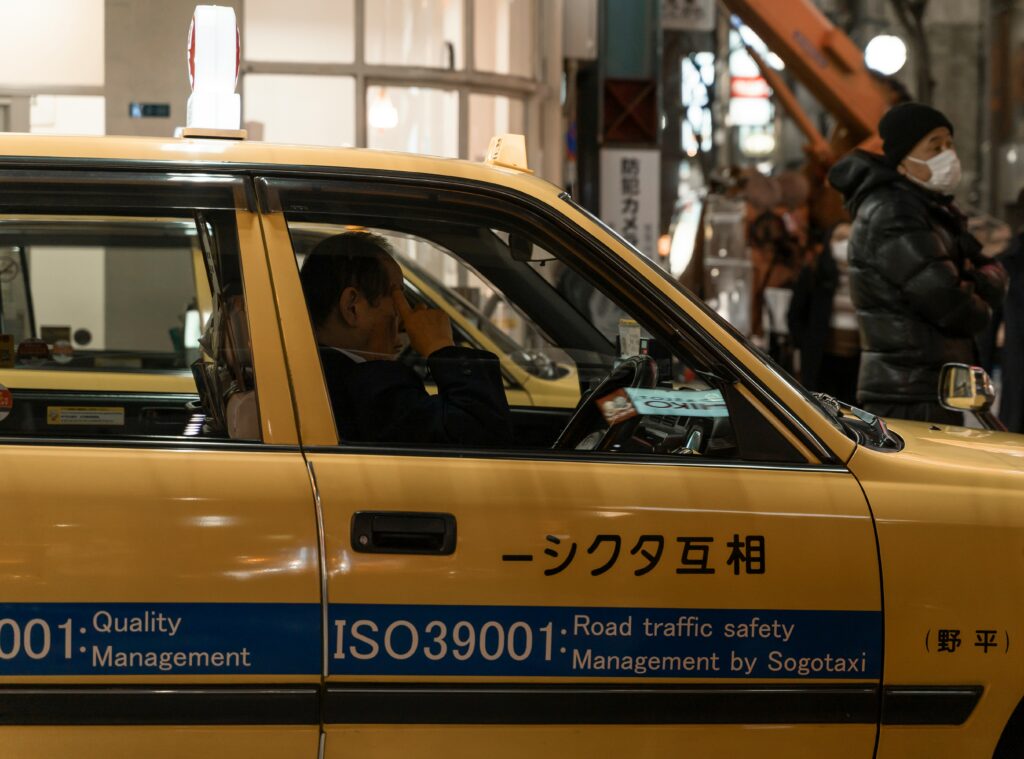
The Skyline GT-R remains one of Australia’s most sought-after Japanese imports, with various generations offering different performance characteristics and collector appeal.
Toyota Supras, particularly MKIV models, have experienced dramatic value appreciation, making earlier purchase and importation a potentially lucrative investment strategy.
The Honda NSX represents Japanese supercar engineering at its finest, with clean examples commanding premium prices and strong ongoing appreciation potential.
Evolution models provide rally-bred performance technology in practical four-door packages, appealing to performance enthusiasts seeking everyday usability.
Mazda’s rotary-powered sports cars offer unique engineering and driving experiences unavailable from any other manufacturer, creating dedicated enthusiast followings.
Japan’s biannual inspection system (Shaken) creates predictable vehicle availability cycles, with higher volumes available before expensive inspection renewals.
Yen-Australian dollar exchange rates significantly affect total import costs. Monitor currency trends and consider timing purchases during favorable exchange rate periods.
Weather patterns, port congestion, and holiday periods affect shipping schedules and costs. Plan importation timing around seasonal variations for optimal results.
Popular model prices fluctuate based on Australian market demand, collector trends, and media exposure. Understanding market cycles helps optimize purchase timing.
Melbourne’s automotive import facilities provide efficient processing of Japanese vehicles with established customs clearance and quarantine inspection procedures.
Melbourne’s concentration of compliance workshops specializing in Japanese imports provides competitive pricing and expertise in ADR modification requirements.
Melbourne’s large Japanese car community supports extensive aftermarket parts availability and specialist service providers familiar with imported vehicle requirements.
Victorian registration authorities have established procedures for imported vehicle processing, though documentation requirements remain stringent and must be carefully managed.
Japanese export certificates, auction documents, and original registration papers provide essential documentation for Australian customs clearance and compliance processing.
Depending on vehicle age and import category, various permits and approvals may be required before vehicle shipment from Japan can commence.
Australian compliance involves detailed engineering assessment, modification implementation, and certification that vehicles meet all applicable Australian Design Rules.
Final registration requires compliance certificates, customs clearance documentation, and payment of applicable state taxes and registration fees.
Specialized lenders provide financing for vehicle importation, though terms and requirements often differ from traditional car loans due to unique risk factors and timing considerations.
Marine insurance protects vehicles during shipping, while imported vehicle insurance requires specialized coverage understanding unique values and replacement costs.
Imported vehicles often require agreed value insurance policies due to difficulty determining market values for unique or rare models not available through traditional channels.
Working with Japanese sellers and auction houses requires reliable translation services and experienced agents familiar with Japanese business practices and automotive terminology.
Evaluating vehicle condition from auction photos and reports requires experience and sometimes results in unexpected condition issues upon arrival in Australia.
Some imported models may have limited parts availability or require specialized service knowledge, affecting long-term ownership costs and convenience.
ADR compliance requirements can be complex and expensive, particularly for unique models or those requiring extensive modifications to meet Australian standards.
Our extensive experience with Japanese car import Australia processes helps customers navigate complex requirements while avoiding common mistakes that can prove costly and time-consuming.
Through our partnerships with reputable Japanese agents, auction houses, and shipping companies, we provide reliable access to Japan’s automotive market with professional service standards.
Our relationships with Melbourne compliance workshops and regulatory authorities ensure efficient processing of imported vehicles through all required certification and registration stages.
From initial vehicle selection through final registration, we provide ongoing support that addresses all aspects of the import process with transparent pricing and realistic timeframe expectations.
Our specific expertise in Japanese Domestic Market vehicles helps enthusiasts access the most desirable models while understanding unique requirements and potential challenges.
We view import services as the beginning of long-term customer relationships, providing ongoing support for maintenance, parts sourcing, and potential future import requirements.
Q: How long does it take to import cars from Japan to Australia? A: The complete process typically takes 3-6 months from purchase to Australian registration, depending on shipping schedules, customs processing, and compliance requirements. Planning ahead ensures realistic timeline expectations.
Q: What are the total costs involved in Japanese car import Australia? A: Total costs include purchase price, agent fees, shipping ($1,500-$3,000), import duties (5% + GST), compliance modifications ($3,000-$8,000), and registration fees. Budget 25-40% above purchase price for total landed costs.
Q: Can any Japanese car be imported to Australia? A: No, vehicles must either be over 15 years old and SEVS-approved, or qualify under Personal Import Scheme rules. Our import car process Australia guide explains eligibility requirements in detail.
Q: Do I need an import license to bring cars from Japan? A: Individual imports don’t require licenses, but must follow prescribed processes and use approved compliance facilities. Commercial importers need additional licensing and qualifications.
Q: Are Japanese import cars reliable in Australian conditions? A: Japanese vehicles typically adapt well to Australian conditions, though some models may require specific maintenance attention or modifications for optimal performance in local climate conditions.
Q: How do I verify the condition of a car before buying from Japan? A: Japanese auction systems provide detailed condition reports and photos, though professional inspection services are available for high-value purchases. Experience in reading auction reports is essential.
Q: Can I finance a Japanese car import? A: Specialized import financing is available through select lenders, though terms may differ from traditional car loans. Some buyers prefer personal loans for greater flexibility during the import process.
Q: What ongoing costs should I expect with an imported Japanese car? A: Consider potentially higher parts costs, specialized service requirements, and agreed value insurance premiums. Popular models typically have better parts availability and service support networks.
Ready to access Japan’s incredible automotive diversity through professional import services that ensure successful vehicle acquisition and compliance? Whether you’re seeking a classic sports car, efficient city vehicle, or unique model unavailable locally, our Japanese import expertise delivers results.
Contact Information:
Our import specialists combine deep knowledge of Japanese automotive markets with Australian compliance requirements to guide you through every step of the import process. Contact us today to explore how Japanese vehicle importation can provide access to automotive excellence while ensuring full legal compliance.
Emerald Car Sales & Rentals provides trusted car sales, rentals, and imports across Melbourne with transparency.
© 2025 Emerald Car Sales & Rentals. All Rights Reserved. Designed by ZippyExperts.