
Understanding car modification laws in Victoria is essential for any vehicle owner looking to customize or enhance their car. Whether you’re planning performance upgrades, aesthetic modifications, or installing aftermarket parts, compliance with Victorian vehicle modification rules ensures your car remains legal for road use and maintains its roadworthy certificate Melbourne status.
At Emerald Car Sales & Rentals, we regularly assist Melbourne vehicle owners with understanding modification requirements, particularly for import cars from Japan and JDM import cars Melbourne that often require compliance modifications. This comprehensive guide covers everything Victorian drivers need to know about legal vehicle modifications in 2025.
Victoria’s vehicle modification rules are governed by the Road Safety (Vehicles) Regulations 2009 and the Australian Design Rules (ADRs). VicRoads, the state’s road authority, enforces these regulations and provides detailed guidelines through the Vehicle Standards Information (VSI) sheets that outline specific requirements for various modification types.
The fundamental principle behind these regulations is simple: any modification must not compromise vehicle safety, increase emissions beyond acceptable limits, or create hazards for the driver, passengers, or other road users. Understanding this principle helps vehicle owners make informed decisions about which modifications are permissible and which require engineering certification.
Vehicle modifications in Victoria fall into three main categories:
Non-Notifiable Modifications – These are minor changes that don’t require engineering approval or notification to VicRoads. Examples include replacing standard parts with equivalent manufacturer-approved components, installing reversing cameras, or fitting standard roof racks.
Notifiable Modifications – These require an approved vehicle examiner’s certificate and must be recorded on your vehicle registration. Examples include engine swaps, suspension modifications beyond certain limits, or significant body modifications.
Prohibited Modifications – These are illegal under Victorian law and cannot be performed under any circumstances. Examples include modifications that obscure number plates, certain lighting modifications, or changes that significantly increase vehicle emissions.
Engine modifications are among the most popular but also most regulated changes Victorian vehicle owners undertake. The car modification laws Victoria enforces around engine changes depend on the extent and type of modification.
Engine Replacements and Swaps
Replacing your vehicle’s engine with a different model requires engineering certification in most cases. The replacement engine must be from the same manufacturer or be compatible with the vehicle’s original specifications. Power increases beyond 20% of the original engine output typically require full engineering approval and compliance testing.
For those purchasing used cars Melbourne with modified engines, it’s crucial to verify that proper certification exists. Vehicles without correct documentation may fail registration inspections and require expensive rectification work.
Turbochargers and Superchargers
Installing forced induction systems (turbochargers or superchargers) on naturally aspirated engines requires engineering certification regardless of power output. These modifications significantly alter engine characteristics and must be assessed for safety and emissions compliance.
Modern Toyota Melbourne and Ford Melbourne vehicles often come with factory turbocharged engines, which can be modified within certain parameters, but any changes to boost pressure, exhaust systems, or engine management systems may still require certification.
Exhaust System Modifications
Victorian vehicle modification rules regarding exhaust systems focus on noise levels and emissions compliance. Modified exhaust systems must:
Suspension modifications significantly impact vehicle safety and handling characteristics, making them subject to strict regulation under Victoria’s vehicle modification rules.
Lowering and Raising Modifications
Vehicles can be lowered or raised by up to 50mm without requiring engineering certification, provided the modification uses manufacturer-approved components and doesn’t compromise safety. Changes exceeding 50mm require full engineering assessment.
Critical safety considerations include:
Spring and Shock Absorber Changes
Replacing springs and shock absorbers with aftermarket components is permissible if they’re designed specifically for your vehicle model and don’t alter ride height beyond 50mm. Random component mixing or using parts not designed for your specific vehicle requires engineering certification.
Wheel and tire modifications are among the most common vehicle changes in Melbourne, but they still require careful attention to legal requirements.
Allowable Wheel Size Changes
Victorian regulations permit wheel diameter increases up to two inches (approximately 50mm) without engineering certification, provided:
Vehicles with modifications exceeding these limits require engineering certification and may need car compliance Melbourne verification, particularly for imported vehicles.
Tire Specifications
Replacement tires must meet or exceed the load rating and speed rating of the original equipment. Using tires with lower ratings is illegal, even if they physically fit the vehicle. Tire width changes are restricted to ensure proper fit within wheel arches without modification to body panels.
While aesthetic modifications may seem purely cosmetic, many are regulated to ensure they don’t create safety hazards or obstruct visibility.
Body Kits and Aerodynamic Modifications
Body kits, spoilers, and aerodynamic additions must:
Significant body modifications that alter the vehicle’s structure or crash-worthiness require engineering certification. This commonly applies to import cars from USA that may have aftermarket body kits installed.
Window Tinting Regulations
Victoria has specific window tinting laws that form part of vehicle modification rules:
Paint and Vinyl Wraps
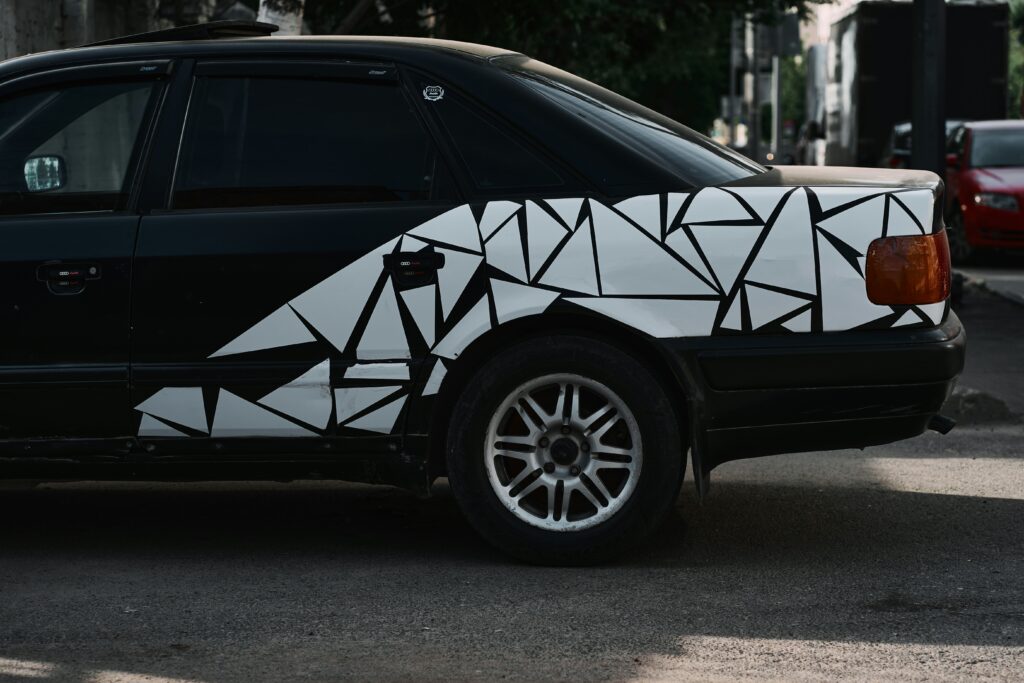
Changing your vehicle’s color requires notification to VicRoads within 14 days. While the modification itself doesn’t require certification, failing to update registration records can result in fines and registration issues. This applies equally to full repaints and vinyl wraps that change the vehicle’s primary color.
[IMAGE: Vehicle wrapped in vinyl with custom graphics – professional application workshop]
Lighting modifications are strictly regulated for obvious safety reasons. The car modification laws Victoria enforces around lighting focus on visibility and preventing confusion with emergency vehicles.
HID and LED Conversions
Converting halogen headlights to HID or LED requires engineering certification unless using manufacturer-approved conversion kits specifically designed for your vehicle model. Key requirements include:
Additional Lighting
Adding auxiliary lights, light bars, or spotlights requires careful positioning and wiring. These lights must not dazzle other drivers when illuminated and should typically only operate when high beams are active. Underbody lighting and interior accent lighting have specific color restrictions – blue and red are prohibited as they’re reserved for emergency vehicles.
Vehicles imported to Australia, particularly through import services programs, often require modifications to meet Australian Design Rules. Understanding these requirements is crucial for import car from Japan enthusiasts.
SEVS and RAW Scheme Modifications
Vehicles imported under the Specialist and Enthusiast Vehicle Scheme (SEVS) or Register of Approved Vehicles (RAW) must undergo specific modifications to achieve compliance:
These modifications must be completed by licensed compliance workshops before the vehicle can be registered in Victoria.
Right-Hand Drive Conversions
Left-hand drive vehicles require right hand drive conversion to be registered in Victoria unless they’re covered by specific exemptions (typically vehicles over 30 years old). These conversions are complex, expensive, and must be performed by approved workshops with full engineering certification.
Engineering certification becomes mandatory when modifications significantly alter vehicle performance, safety systems, or structural integrity. Common scenarios requiring certification include:
Victoria has approved vehicle examiners (AVEs) who can assess modified vehicles and issue certificates. These professionals have specific training and accreditation to evaluate whether modifications meet safety standards and comply with Victorian regulations.
When purchasing second hand cars Melbourne with modifications, always verify that proper AVE certificates exist and are registered with VicRoads. Missing documentation can lead to registration complications and expensive rectification.
Engineering certification costs vary depending on modification complexity but typically range from $500 to $3,000 or more for extensive modifications. This cost is in addition to the modification work itself and should be factored into any modification budget.
For vehicle buyers considering modified cars, Emerald Car Sales & Rentals can provide guidance on verification of existing certifications and assist with car valuation Melbourne services that account for legal modifications.
Operating a vehicle with non-compliant modifications in Victoria carries serious consequences:
Perhaps more significantly, undeclared or non-compliant modifications can void insurance coverage. If you’re involved in an accident with illegal modifications, your insurer may refuse to pay claims, leaving you personally liable for damages. This applies to both car insurance Melbourne policies and third-party coverage.
Always disclose all modifications to your insurance provider, even if they don’t require engineering certification. Failure to do so constitutes non-disclosure and can invalidate your policy entirely.
Modified vehicles must pass registration inspections and roadworthy checks. Non-compliant modifications will result in registration refusal, requiring expensive rectification before the vehicle can legally operate on Victorian roads.
Before undertaking any modification, thoroughly research Victorian requirements using VicRoads VSI sheets and consult with approved workshops or engineers. Understanding requirements before starting work prevents expensive mistakes and ensures compliance.
Maintain comprehensive records of all modifications, including:
This documentation proves invaluable when selling the vehicle or dealing with insurance claims. Buyers of car sales Melbourne vehicles with modifications should request this documentation before purchase.
While it’s tempting to save money with budget parts or DIY installation, quality components from reputable manufacturers and professional installation by experienced workshops ensure safety and compliance. Poor-quality modifications not only risk non-compliance but also compromise vehicle safety.
Remember that compliance isn’t a one-time issue. Modified vehicles may require more frequent inspections, and changes to regulations can affect previously compliant modifications. Stay informed about regulatory updates and maintain your vehicle to ensure ongoing compliance.
Yes, minor modifications that don’t significantly alter performance, safety, or emissions can typically be performed without certification. This includes replacing worn components with equivalent parts, installing accessories like roof racks, or making aesthetic changes within specified limits. However, any modification affecting engine performance, suspension geometry, structural integrity, or safety systems beyond minor changes typically requires engineering certification. When in doubt, consult VicRoads VSI sheets or an approved vehicle examiner before proceeding.
You can lower your vehicle by up to 50mm from its original ride height without requiring engineering certification, provided you use components designed for your specific vehicle and maintain minimum ground clearance of 100mm. Modifications exceeding 50mm require full engineering assessment and certification. Additionally, even within the 50mm limit, modifications must not cause tires to contact bodywork, affect headlight aim, or compromise vehicle stability. Using proper lowering springs or coilovers designed for your vehicle model is essential for legal compliance.
Turbocharger installations on naturally aspirated engines require engineering certification regardless of power output. This applies to all forced induction additions including turbochargers and superchargers. Factory turbocharged vehicles can have minor modifications within certain parameters, but changes to boost pressure, exhaust systems, or engine management typically require certification. The certification process ensures that modifications maintain safety standards, don’t exceed emissions limits, and don’t compromise vehicle reliability. Always engage an approved engineer before installing forced induction systems.
Notifiable modifications require engineering certification and must be registered with VicRoads. This includes major changes like engine swaps, significant suspension modifications, or structural alterations. Additionally, color changes must be reported to VicRoads within 14 days, even though they don’t require certification. Non-notifiable minor modifications don’t need reporting, but maintaining documentation of all changes is recommended for insurance purposes and future vehicle sales. Failing to report notifiable modifications can result in fines and registration complications.
Yes, imported JDM vehicles can be modified following the same Victorian regulations as any other vehicle. However, imported cars must first achieve compliance with Australian Design Rules before initial registration. Once compliant and registered, further modifications follow standard Victorian rules. Some imported vehicles already have modifications from Japan; these may need assessment for Australian compliance during the import process. Popular imported vehicles like those featured in our JDM import cars Melbourne collection often require compliance modifications before any additional customization.
Yes, all modifications should be declared to your insurance provider, regardless of whether they require engineering certification. Undeclared modifications can void insurance coverage entirely, leaving you personally liable in case of accidents. Declaring modifications may increase premiums, particularly for performance modifications, but maintaining valid coverage is essential. Some modifications may actually reduce premiums if they improve safety, such as advanced braking systems or additional lighting. Always disclose modifications when obtaining car insurance Melbourne quotes or updating existing policies.
When purchasing a modified used car, request all documentation including engineering certificates, receipts for modification work, and proof of VicRoads notification for notifiable modifications. Verify certificates with VicRoads to ensure they’re genuine and properly registered. Consider hiring an approved vehicle examiner for a pre-purchase inspection to assess modification quality and compliance. Check that the vehicle’s registration details match its current specification, including color changes. At Emerald Car Sales & Rentals, we provide complete modification documentation for all our vehicles and can arrange pre-purchase car inspection Melbourne services.
Yes, non-compliant modifications can be reversed or rectified to meet Victorian standards. This may involve removing aftermarket parts and reinstalling original components, or having non-compliant modifications properly engineered and certified. If you receive a defect notice, you’ll have a specified timeframe to rectify issues and have the vehicle re-inspected. For vehicles with multiple non-compliant modifications, consulting an approved vehicle examiner can help determine the most cost-effective path to compliance, whether through rectification or removal.
Navigating car modification laws in Victoria requires careful attention to detail and thorough understanding of regulations. Whether you’re planning modifications to your current vehicle, considering purchasing a modified car, or importing a vehicle that requires compliance modifications, professional guidance ensures compliance and peace of mind.
At Emerald Car Sales & Rentals, our experienced team assists Melbourne vehicle owners with modification compliance, import vehicle requirements, and ensuring vehicles meet Victorian standards. We work with approved engineers and compliance workshops to provide comprehensive support for all modification-related needs.
Compliance Expertise: Our team has extensive experience with Victorian vehicle modification rules and can guide you through certification requirements and processes.
Import Specialists: We specialize in import services and understand the specific modifications required for imported vehicles to meet Australian compliance standards.
Quality Assurance: All vehicles in our inventory with modifications include complete documentation and proper certification, giving buyers confidence in their purchase.
Professional Network: We work with approved vehicle examiners, compliance workshops, and specialist mechanics to provide comprehensive modification support.
Ongoing Support: Our relationship with customers extends beyond the initial sale or service, providing ongoing advice and support for modification compliance and vehicle maintenance.
Address: Melbourne, Victoria
Phone: 34568990
Email: contact@emeraldcarsalesandrentals.com.au
Whether you’re planning vehicle modifications, need compliance advice for an imported car, or require assistance understanding Victorian vehicle modification rules, our knowledgeable team is ready to help. Contact us today for expert guidance on navigating Victoria’s vehicle modification landscape while ensuring your car remains legal, safe, and properly insured.
For vehicles requiring car finance Melbourne options, we can also advise on how modifications affect financing and provide tailored solutions for modified vehicle purchases.
Emerald Car Sales & Rentals provides trusted car sales, rentals, and imports across Melbourne with transparency.
© 2025 Emerald Car Sales & Rentals. All Rights Reserved. Designed by ZippyExperts.