
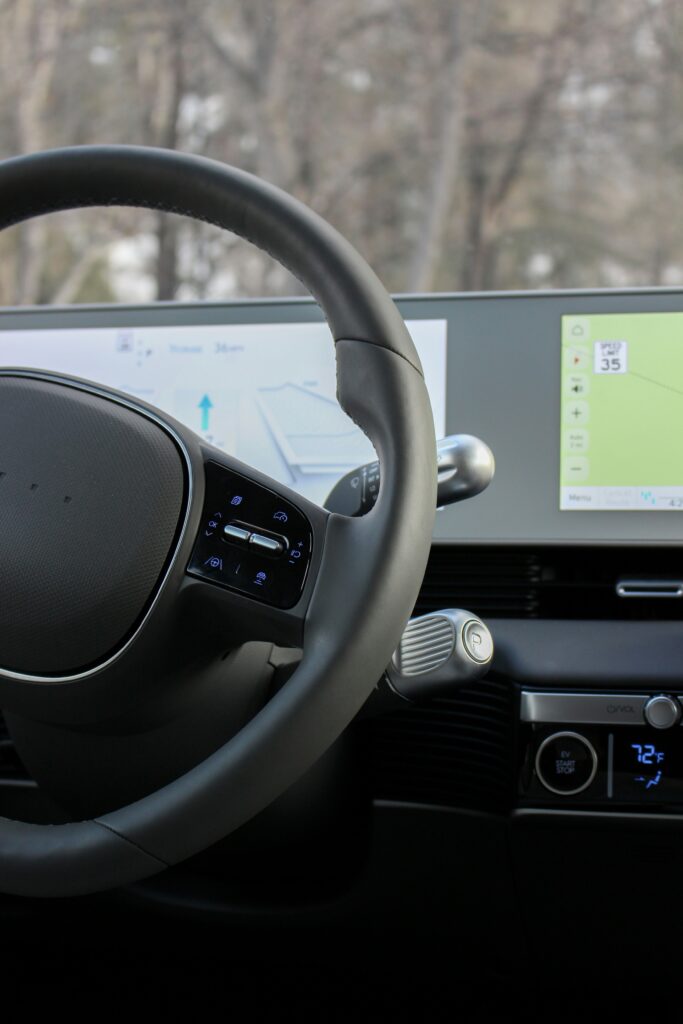
Understanding car technology features has become essential for making informed vehicle purchase decisions as modern cars incorporate increasingly sophisticated systems affecting safety, convenience, and driving experience. This comprehensive guide to modern car features helps Melbourne drivers navigate the complex landscape of automotive technology, understanding which innovations provide genuine value versus marketing hype.
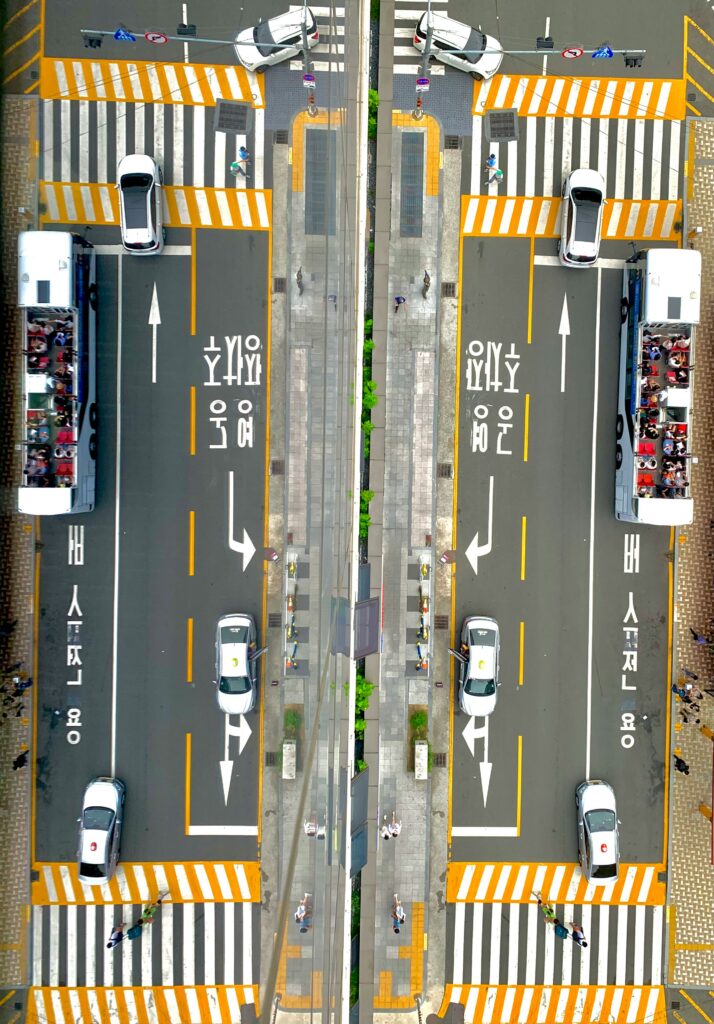
Modern vehicles incorporate more computing power than spacecraft from the Apollo era, with sophisticated electronic systems managing everything from engine performance to collision avoidance. The transformation from purely mechanical vehicles to software-defined mobility platforms has accelerated dramatically over the past decade.
Understanding these technologies helps consumers make informed decisions about which features justify premium costs versus those offering marginal benefits for their specific usage patterns and preferences. When shopping through our used cars Melbourne inventory, technology features significantly influence vehicle selection and value assessment.
Autonomous Emergency Braking represents one of the most valuable modern safety technologies, automatically applying brakes when systems detect imminent collisions that drivers haven’t responded to adequately. Modern AEB systems detect vehicles, pedestrians, and cyclists across various speeds and conditions.
Research demonstrates AEB systems prevent thousands of crashes annually, with particularly strong effectiveness in rear-end collision prevention—Australia’s most common crash type. ANCAP now requires comprehensive AEB systems for five-star safety ratings, accelerating widespread adoption across new vehicles.
Our car safety ratings explained guide provides additional context on how safety technologies influence vehicle safety assessments.
Adaptive Cruise Control extends traditional cruise control functionality by automatically adjusting vehicle speed to maintain safe following distances from vehicles ahead. Systems use radar or camera sensors detecting forward vehicles and adjusting speed accordingly, reducing driver workload during highway travel.
Advanced ACC systems incorporate stop-and-go functionality maintaining speed in traffic congestion and automatically resuming travel when traffic flows. This technology proves particularly valuable for Melbourne’s increasingly congested highways and lengthy commutes.
Lane keeping systems monitor road markings and provide warnings or active steering interventions when vehicles drift from lanes without signaling. These technologies prevent common single-vehicle run-off-road crashes caused by driver distraction or fatigue.
Basic systems provide warnings through visual, audible, or haptic alerts, while advanced systems actively steer vehicles back toward lane centers. Effectiveness varies significantly between manufacturers and systems, with some providing gentle guidance while others employ more assertive interventions.
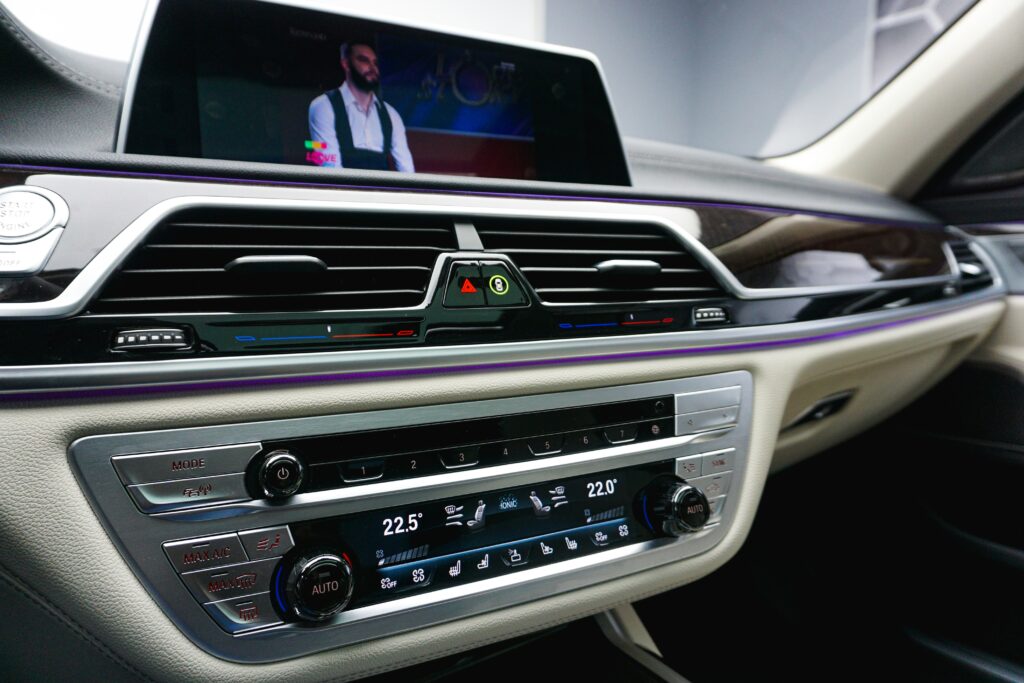
Blind spot monitoring systems use sensors detecting vehicles in adjacent lanes that may not be visible in mirrors, warning drivers before lane changes. Visual indicators typically appear in side mirrors or door pillars, with some systems providing additional audible warnings if drivers signal while vehicles occupy blind spots.
This technology proves valuable in Melbourne’s dense traffic where frequent lane changes and vehicle proximity create genuine collision risks during routine driving.
Rear cross traffic alert warns drivers reversing from parking spaces about approaching vehicles crossing behind them. This system proves particularly valuable in busy Melbourne car parks where vision often remains obscured until vehicles protrude substantially into traffic lanes.
Advanced systems can automatically apply brakes if drivers don’t respond to warnings, preventing low-speed collisions in parking scenarios.
Surround-view camera systems combine multiple camera feeds creating top-down views showing vehicles and immediate surroundings. These systems dramatically simplify parking in tight Melbourne spaces and improve awareness of pedestrians and obstacles around vehicles.
Premium implementations include 3D views, obstacle highlighting, and integration with parking sensors providing comprehensive awareness during low-speed maneuvering.
Modern infotainment systems centered on touchscreen displays range from 7-17+ inches, providing access to navigation, audio, climate controls, and vehicle settings through graphical interfaces. System quality varies dramatically between manufacturers, with best implementations offering intuitive operation and responsive performance.
Poorly designed systems create driver distraction and frustration, while excellent systems enhance convenience and usability. Testing infotainment systems during vehicle evaluation proves essential for determining acceptability of daily interactions.
Smartphone integration through Apple CarPlay and Android Auto enables drivers to access phone functions, navigation, messaging, and audio through vehicle displays using familiar smartphone interfaces. These systems provide consistently good user experiences regardless of manufacturer infotainment quality.
Wireless CarPlay/Android Auto implementations eliminate cable requirements, further enhancing convenience. Most modern vehicles include these features, though some manufacturers restrict availability to premium trim levels.
Digital instrument clusters replace traditional analog gauges with customizable LCD or OLED displays presenting driving information, navigation, and media content. Premium implementations offer extensive customization and stunning graphics, while budget versions provide basic digital readouts.
These systems enable drivers to configure displayed information according to personal preferences, emphasizing navigation during trips or performance data during spirited driving.
High-end audio systems from manufacturers like Bose, Harman Kardon, and Bang & Olufsen transform in-car entertainment with superior sound quality, multiple speakers, and sophisticated signal processing. Audiophile-quality systems command substantial premiums but provide dramatically improved listening experiences.
For music enthusiasts, premium audio systems represent worthwhile investments enhancing every journey. Others may find standard systems adequate for their listening preferences and priorities.
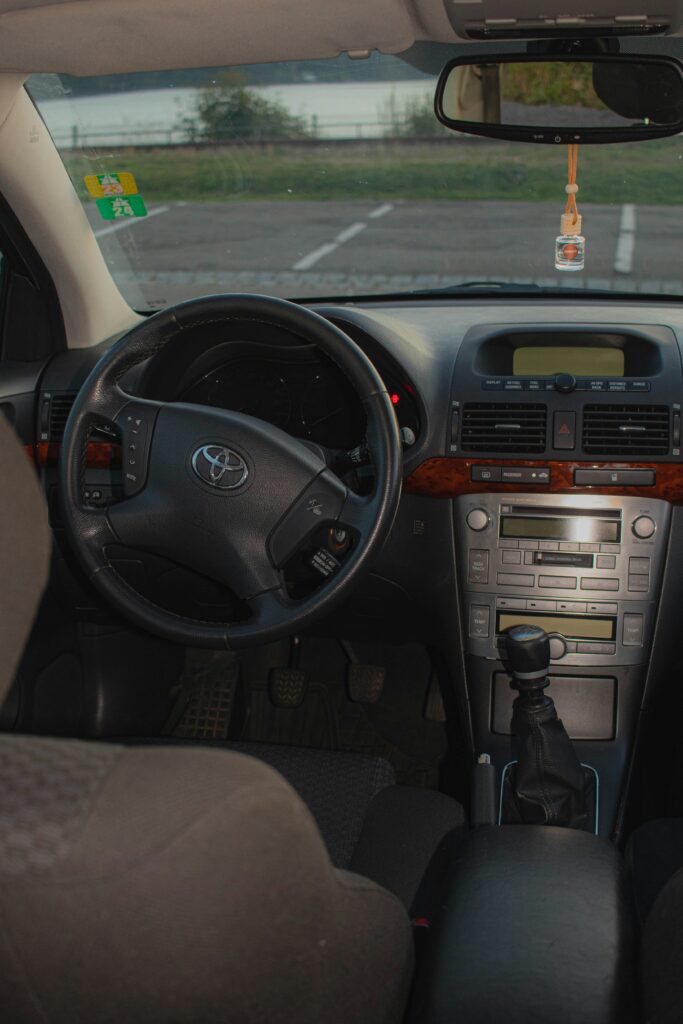
Keyless entry systems unlock vehicles automatically when drivers carrying key fobs approach, while push-button start eliminates traditional key ignition. These convenience features feel luxurious initially, quickly becoming expected standards that drivers miss in vehicles without them.
Security varies between implementations, with some systems vulnerable to relay attacks where thieves amplify key fob signals to unlock and start vehicles. Understanding security limitations helps implement appropriate precautions.
Dual-zone or tri-zone automatic climate control allows drivers and passengers to set independent temperature preferences, with sophisticated systems automatically adjusting fan speeds, air distribution, and temperature to maintain comfortable cabin environments.
Heated and ventilated seats provide additional comfort during Melbourne’s variable weather, with seat heating particularly appreciated during winter mornings and ventilation valued during summer heat.
Power tailgates open and close electrically via button presses or key fob commands, while hands-free systems open tailgates through foot gestures beneath rear bumpers. These features prove valuable when carrying groceries or luggage, eliminating need to set items down while accessing cargo areas.
Programmable opening heights prevent tailgates hitting low garage ceilings, protecting both vehicles and property during repeated opening cycles.
Wireless charging pads built into vehicle consoles charge compatible smartphones without cable connections, reducing cable clutter and ensuring phones remain charged during travel. This convenience feature works seamlessly when integrated well, though some implementations charge slowly or position pads inconveniently.
Head-up displays project driving information onto windscreens or transparent panels between drivers and roads, enabling drivers to view speed, navigation, and other data without looking away from roads. This technology reduces distraction while maintaining information accessibility.
Premium color HUDs display navigation arrows, speed limits, and comprehensive driving data, while basic systems show only essential information in monochrome. Effectiveness varies by ambient lighting conditions and individual visual preferences.
Traffic sign recognition systems use cameras identifying road signs including speed limits, no-overtaking zones, and other regulatory signage, displaying recognized signs on instrument clusters or head-up displays. Advanced systems automatically adjust cruise control speeds to match recognized speed limits.
System accuracy varies with sign condition, weather, and lighting, though best implementations provide valuable assistance reinforcing driver awareness of current speed limits and restrictions.
Driver attention monitoring systems analyze steering patterns, lane keeping, and other behaviors identifying driver fatigue or distraction. Systems provide warnings suggesting rest breaks when detecting concerning patterns potentially indicating reduced alertness.
More sophisticated implementations use cameras monitoring driver eye movements and head position, providing more direct assessment of attention levels than steering-pattern-based systems.
Automated parking systems control steering (and sometimes throttle and brakes) during parallel or perpendicular parking maneuvers, with drivers managing gears and pedals following system prompts. Advanced systems handle complete parking processes including gear selection and speed control.
While effective once mastered, these systems require practice and specific conditions to function properly. Traditional parking skills remain essential for situations where automated systems can’t engage or function reliably.
Advanced highway driving assistance combines adaptive cruise control with lane centering, maintaining vehicle positions within lanes while managing speeds relative to traffic. These systems reduce driver workload during highway cruising but require continuous driver attention and readiness to intervene.
Despite marketing suggesting “self-driving” capabilities, these systems represent driver assistance rather than autonomous driving, with drivers maintaining full responsibility for safe vehicle operation at all times.
Selectable drive modes alter vehicle characteristics including throttle response, transmission shift patterns, steering weight, and suspension settings (where adjustable). Common modes include Eco, Normal/Comfort, Sport, and sometimes Individual allowing custom configurations.
These systems enable single vehicles to serve multiple purposes, providing efficient commuting in Eco mode while delivering engaging performance in Sport mode when desired. Effectiveness depends on calibration quality and actual differences between modes.
Adaptive suspension adjusts damper firmness based on driving conditions, road surface, and selected drive modes, balancing ride comfort against handling performance. Premium systems continuously adjust individual dampers optimizing both comfort and control.
These systems prove particularly valuable on Melbourne’s varying road surfaces, softening suspension for smooth highways while firming dampers for handling-focused driving.
Start-stop systems automatically shut down engines during stops at traffic lights or in congestion, restarting when drivers release brakes or engage clutches. This technology reduces fuel consumption and emissions during city driving where stops comprise significant portions of journey times.
System refinement varies dramatically between implementations, with smooth systems operating almost imperceptibly while rough systems create noticeable vibrations during restarts. Some drivers appreciate fuel savings while others disable these systems finding them intrusive.
Distinguishing essential safety features from convenience enhancements helps prioritize technology when comparing vehicles within budget constraints. AEB, blind spot monitoring, and rear cameras provide genuine safety benefits justifying prioritization, while ambient lighting and powered seats represent luxury conveniences.
When exploring our car sales Melbourne inventory, understanding personal technology priorities helps identify vehicles offering optimal feature combinations within budget parameters.
Complex technology introduces potential reliability concerns and expensive repairs as vehicles age. While mechanical components prove increasingly reliable, electronic systems can develop costly failures requiring specialized diagnosis and parts replacement.
Understanding manufacturer reputations for technology reliability and researching common issues for specific models helps assess long-term ownership risks associated with technology-heavy vehicles.
Technology effectiveness depends heavily on user interface quality and intuitive operation. Poorly designed systems create frustration and distraction despite offering advanced functionality, while excellent interfaces make even basic features feel premium.
Testing systems during vehicle evaluations proves essential, as specifications reveal little about actual user experiences during daily operation.
Some manufacturers provide over-the-air software updates enabling new features and improvements after purchase, while others require dealer visits for updates or provide no updates at all. Understanding manufacturer update policies helps assess long-term technology value.
Integrated navigation systems with real-time traffic information prove valuable for Melbourne’s congested roads, suggesting optimal routes avoiding delays. However, smartphone navigation via CarPlay/Android Auto often provides equivalent or superior functionality without built-in system costs.
For customers frequently traveling throughout Melbourne and regional Victoria, navigation integration enhances convenience, while occasional users may find smartphone navigation adequate.
Melbourne’s variable weather makes effective climate control valuable, with heated seats and steering wheels appreciated during cold mornings while ventilated seats enhance comfort during summer heat. Automatic climate control maintaining comfortable temperatures regardless of external conditions proves worth premium costs.
Melbourne’s tight parking spaces and congested car parks make parking assistance technologies particularly valuable, with rear cameras now mandatory in Australia and 360-degree cameras proving worthwhile investments for urban drivers regularly navigating challenging parking situations.
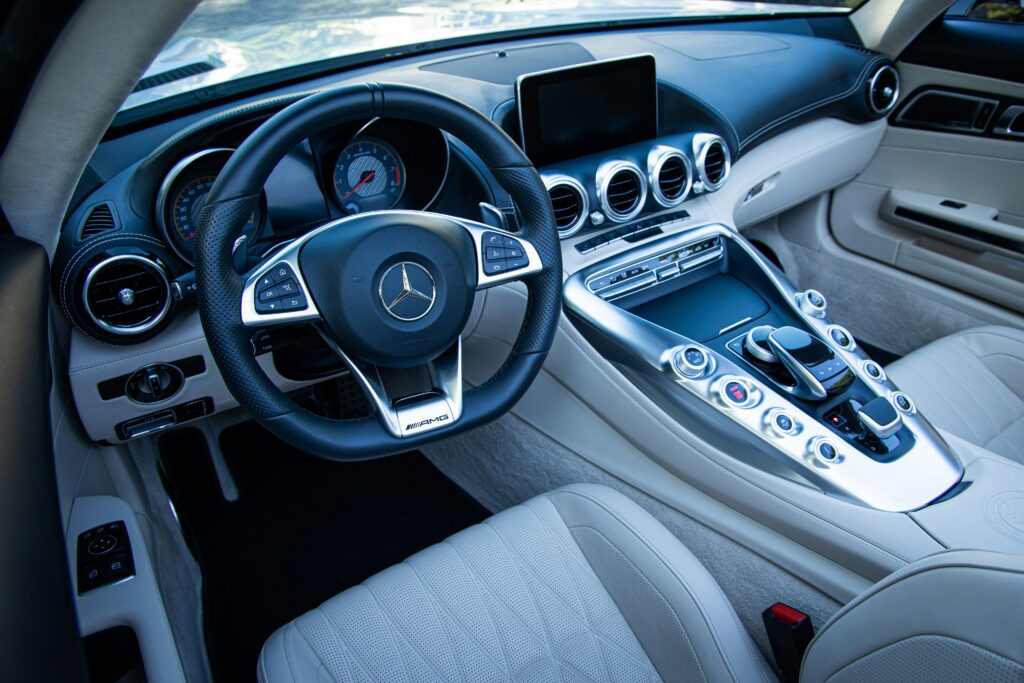
Autonomous emergency braking, blind spot monitoring, rear cameras (now mandatory), and Apple CarPlay/Android Auto provide significant safety and convenience benefits justifying costs. Adaptive cruise control proves valuable for highway commuters. Other features depend on personal priorities—heated seats matter more in cold climates while premium audio suits music enthusiasts. Focus on features addressing your specific needs rather than maximizing feature counts.
Complex electronics introduce potential reliability concerns, though modern vehicles demonstrate generally good technology reliability from reputable manufacturers. Technology failures can prove expensive to repair, sometimes requiring complete module replacements. Research reliability ratings for specific models and manufacturers, as technology reliability varies significantly between brands. Japanese manufacturers generally demonstrate superior electronics reliability compared to some European brands.
Some features like dash cameras, phone mounts, and Bluetooth adapters can be added aftermarket, while others like AEB and lane keeping require factory integration with vehicle systems. Apple CarPlay/Android Auto can sometimes be added via aftermarket head units, though integration quality varies. Major safety features generally can’t be retrofitted economically, making feature prioritization important during initial purchase.
Physical buttons typically prove safer and more convenient than touchscreen controls for frequently-used functions, enabling operation by feel without looking away from roads. Touchscreens work well for infrequent adjustments like navigation input but create distraction for climate control and audio adjustments requiring visual attention. Best implementations combine touchscreens for complex tasks with physical controls for common functions.
No. Despite marketing suggesting autonomous capabilities, current “self-driving” features require constant driver attention and readiness to intervene. These systems represent advanced driver assistance rather than true autonomy. Drivers remain fully responsible for safe vehicle operation regardless of assistance features. Treating these systems as autonomous creates serious crash risks.
Technology repairs vary widely by component and vehicle. Simple sensors might cost $200-$500 to replace, while sophisticated systems like adaptive cruise control radars, cameras, or display screens can cost $1,000-$3,000+ for parts and labor. Some manufacturer-specific parts require expensive dealer service. Consider extended warranty coverage for technology-heavy vehicles given potential repair costs.
Software updates can address certain issues with system behavior, user interface, or feature functionality, though hardware problems require physical repairs. Some manufacturers provide regular updates improving systems over time, while others rarely update systems. Research manufacturer update policies and owner experiences regarding responsiveness to reported issues before purchase.
Technology leadership varies by specific feature categories and changes over time. Tesla leads in certain areas like over-the-air updates and electric vehicle technology. German luxury brands often introduce innovations first though sometimes with reliability concerns. Japanese manufacturers provide reliable implementations though sometimes trailing technology adoption. Research specific features important to you rather than assuming overall brand superiority.
Car technology features have transformed modern vehicles into sophisticated computers on wheels, with innovations improving safety, convenience, and driving experiences substantially compared to vehicles from even a decade ago. However, modern car features also introduce complexity, potential reliability concerns, and decision fatigue when comparing vehicle options.
Understanding which technologies provide genuine value for your specific needs, usage patterns, and priorities helps navigate the overwhelming array of features confronting today’s car buyers. Safety technologies like AEB and blind spot monitoring deserve prioritization, while convenience features depend entirely on personal preferences and willingness to pay for enhanced experiences.
At Emerald Car Sales & Rentals, we help Melbourne customers understand technology features available in vehicles across our inventory, explaining which innovations provide real benefits versus marketing hype. Our car sales Melbourne services include guidance on technology selection suitable for individual needs and budgets.
Whether you’re prioritizing cutting-edge technology or seeking reliable vehicles with essential features only, our knowledgeable team helps you understand modern automotive technology and select vehicles offering optimal feature combinations for your circumstances.
Ready to explore modern vehicle technology and find the perfect feature combination for your needs? Contact Emerald Car Sales & Rentals today to discuss which car technology features matter most for your Melbourne driving and discover vehicles offering the innovations that enhance your specific automotive experience.
Contact Emerald Car Sales & Rentals 📍 Melbourne, Victoria
📞 34568990
✉️ contact@emeraldcarsalesandrentals.com.au
Emerald Car Sales & Rentals provides trusted car sales, rentals, and imports across Melbourne with transparency.
© 2025 Emerald Car Sales & Rentals. All Rights Reserved. Designed by ZippyExperts.