
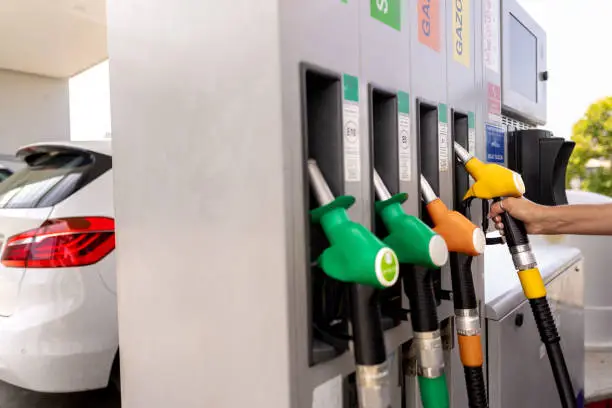
Fuel costs represent one of the most significant ongoing expenses of vehicle ownership, yet many Melbourne drivers only have a vague sense of how much they’re actually spending at the pump. With petrol prices fluctuating regularly and different vehicles consuming fuel at vastly different rates, understanding your true fuel expenditure is essential for accurate budgeting and smart vehicle selection.
At Emerald Car Sales & Rentals, we believe informed drivers make better decisions. That’s why we’ve developed this comprehensive guide and fuel cost calculator to help Melbourne motorists accurately project their fuel expenses based on driving patterns, vehicle efficiency, and current local fuel prices. Whether you’re comparing potential vehicle purchases from our extensive used car inventory in Melbourne, planning a road trip, or simply wanting to understand your monthly fuel budget, our calculator provides instant, accurate results tailored to Melbourne’s unique driving conditions.
Understanding fuel costs becomes particularly important when evaluating different vehicle options—from fuel-efficient hybrids to powerful SUVs—or when considering whether a more expensive, efficient vehicle might save money over time through reduced fuel consumption. Our petrol price calculator removes the guesswork, empowering you to make financially sound automotive decisions.
Calculating fuel costs accurately requires understanding several key variables and how they interact. While the basic concept seems simple—distance traveled multiplied by fuel consumption divided by fuel price—real-world calculations involve additional factors that significantly impact accuracy.
Total Fuel Cost = (Distance Traveled ÷ Fuel Economy) × Fuel Price Per Liter
Let’s break down each component:
Distance Traveled: The total kilometers you drive over your calculation period (daily, weekly, monthly, or annually)
Fuel Economy: Your vehicle’s fuel consumption rate, expressed as liters per 100 kilometers (L/100km) in Australia
Fuel Price Per Liter: The current price you pay for petrol or diesel in Melbourne
Imagine you drive a Toyota Corolla from Melbourne with these specifications:
Calculation:
This calculation provides your baseline fuel expense, helping you budget accurately and compare against alternative vehicles or transport options.
Real-world fuel consumption rarely matches manufacturer specifications exactly. Factors affecting actual consumption include:
Driving Style: Aggressive acceleration and heavy braking can increase consumption by 15-30%
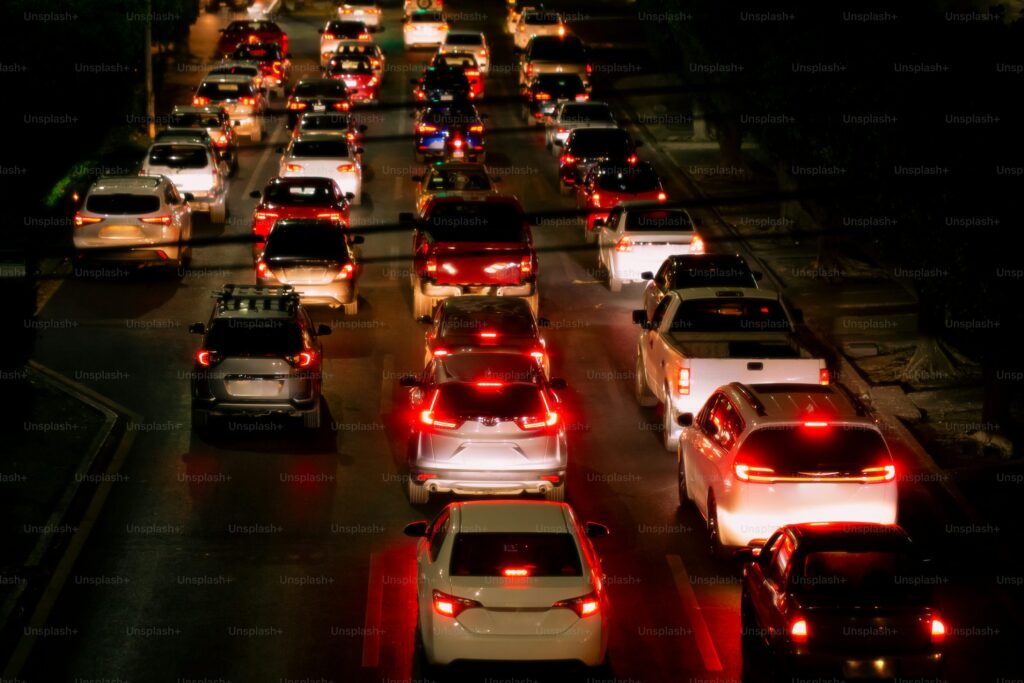
Traffic Conditions: Melbourne’s peak-hour congestion significantly increases fuel consumption compared to free-flowing traffic
Vehicle Condition: Poor maintenance (dirty air filters, under-inflated tires, worn spark plugs) reduces efficiency by 5-15%
Climate Control Usage: Air conditioning increases fuel consumption by approximately 10-15% when operating
Vehicle Load: Carrying excess weight or roof racks increases consumption proportionally
Terrain: Melbourne’s relatively flat terrain helps efficiency, though hill climbing increases consumption
Our advanced calculator considers multiple variables to provide Melbourne-specific fuel cost projections:
Make and Model Selection: Choose from our comprehensive database of popular vehicles. Each entry includes manufacturer-specified fuel consumption figures for city, highway, and combined driving. Whether you’re considering a fuel-efficient Mazda CX-5 or a powerful Ford Ranger, accurate manufacturer data ensures reliable projections.
Engine Type: Select from petrol, diesel, hybrid, plug-in hybrid, or fully electric. Each fuel type has different pricing and consumption characteristics affecting total costs.
Transmission Type: Manual transmissions typically consume 5-10% less fuel than automatics, though modern automatic transmissions have narrowed this gap considerably.
Engine Size: Larger engines generally consume more fuel, though modern turbo technology has complicated this relationship. Our calculator accounts for specific engine configurations.
Daily Commute Distance: Enter your typical one-way commute distance. Melbourne’s average commute is approximately 15-25 kilometers each direction, though outer-suburb residents often travel 30-50+ kilometers.
Additional Weekly Driving: Account for shopping trips, social activities, school runs, and errands. Most Melbourne families drive an additional 50-150 kilometers weekly beyond commuting.
City vs. Highway Ratio: Specify what percentage of your driving occurs in city traffic versus highway/freeway conditions. City driving consumes significantly more fuel due to frequent stopping, starting, and idling.
Annual Long-Distance Travel: Include holiday trips, interstate travel, and regional excursions. These highway kilometers typically consume less fuel per kilometer than city driving.

Fuel Type Pricing: Enter current prices for your fuel type. Our calculator includes Melbourne average prices updated regularly, but you can customize based on your preferred petrol station or location.
Fuel Price Variation: Melbourne petrol prices follow weekly cycles, typically cheapest Tuesday/Wednesday and most expensive Friday-Sunday. Our calculator can model average prices or worst-case scenarios.
Premium vs. Standard Fuel: If your vehicle requires or recommends premium unleaded (95 or 98 octane), account for the $0.20-$0.40 per liter premium over regular unleaded (91 octane).
Our calculator provides comprehensive output:
Daily Fuel Cost: Average amount spent per day based on your driving patterns
Weekly Fuel Cost: Total weekly expenditure including commuting and additional driving
Monthly Fuel Cost: Full monthly projection for accurate budget planning
Annual Fuel Cost: Complete yearly expenditure for long-term financial planning
Cost Per Kilometer: Your true per-kilometer operating cost for fuel alone
Comparison Metrics: How your costs compare to similar vehicles and Melbourne averages
Savings Opportunities: Potential savings from improved driving habits or alternative vehicles
Save different scenarios to compare:
Different Vehicles: Compare fuel costs between that large SUV and a smaller, efficient sedan
Different Commuting Strategies: Calculate savings from carpooling, working from home certain days, or combining errands
Hybrid vs. Conventional: Real-world cost comparison between traditional and hybrid powertrains
Diesel vs. Petrol: Long-term cost analysis accounting for higher diesel prices but better fuel economy
Alternative Routes: Compare fuel costs of faster freeway routes versus shorter but slower surface streets
Understanding Melbourne’s fuel pricing patterns helps optimize your refueling strategy and budget accurately:
Melbourne, like most major Australian cities, experiences predictable weekly fuel price cycles:
Cycle Pattern:
This cycle results from wholesale pricing changes and competitive dynamics among petrol retailers. Understanding this pattern can save $5-$15 per tank or $250-$750 annually for average drivers.
Fuel prices vary significantly across Melbourne’s geographic regions:
CBD and Inner Suburbs: Typically $0.10-$0.20 per liter more expensive due to higher land costs and limited competition
Middle Suburbs: Generally closest to Melbourne average prices with moderate competition
Outer Suburbs: Often $0.05-$0.15 per liter cheaper, especially near major shopping centers with price competition
Near Freeways: Prices often elevated $0.10-$0.20 per liter due to convenience factor
Industrial Areas: Sometimes offer competitive pricing, though less convenient for typical commuters
Unleaded 91 (E10): Base price, typically $1.70-$2.00 per liter depending on cycle position
Unleaded 95: Premium over regular unleaded, usually $0.15-$0.25 per liter more
Unleaded 98: Top-tier premium, typically $0.25-$0.40 per liter over regular
Diesel: Historically cheaper than petrol, but recently often $0.05-$0.15 more expensive in Melbourne
LPG: Significantly cheaper at $0.80-$1.10 per liter, but requires converted vehicle
Several factors influence Melbourne fuel prices beyond weekly cycles:
Global Oil Prices: International crude oil prices directly impact Australian fuel costs with 2-3 week lag
Australian Dollar Strength: Weaker dollar increases fuel costs as Australia imports most petroleum products
Refinery Maintenance: Planned shutdowns at Australian refineries can temporarily increase prices
Seasonal Demand: Prices often spike during peak holiday periods (Christmas, Easter, school holidays)
Political and Economic Events: International conflicts, economic sanctions, and policy changes affect prices
Understanding typical fuel consumption for different vehicle types helps set realistic expectations:
Typical Fuel Economy: 5.0-6.5 L/100km combined
Best for: Melbourne’s congested inner suburbs and short commutes
Annual Fuel Cost: $1,400-$1,800 (15,000km at $1.85/L)
Small vehicles like the Toyota Corolla excel in Melbourne’s urban environment, offering excellent fuel economy and easy parking. Their lightweight construction and smaller engines optimize efficiency in stop-and-go traffic.
Typical Fuel Economy: 6.5-8.5 L/100km combined
Best for: Balanced performance and efficiency for mixed Melbourne driving
Annual Fuel Cost: $1,800-$2,400 (15,000km at $1.85/L)
Medium sedans strike a balance between interior space, comfort, and reasonable fuel efficiency. Modern turbocharged engines have significantly improved this category’s efficiency compared to older naturally-aspirated powertrains.
Typical Fuel Economy: 8.0-11.0 L/100km combined
Best for: Highway-heavy commutes and drivers prioritizing comfort over efficiency
Annual Fuel Cost: $2,220-$3,050 (15,000km at $1.85/L)
Large sedans offer maximum comfort and safety but sacrifice fuel efficiency. Their best efficiency occurs during highway driving, making them more suitable for outer-suburb to CBD commuters using freeways.
Typical Fuel Economy: 6.5-9.0 L/100km combined
Best for: Families requiring versatility without excessive fuel costs
Annual Fuel Cost: $1,800-$2,500 (15,000km at $1.85/L)
Modern SUVs like the Toyota RAV4 or Mazda CX-5 offer surprisingly competitive fuel economy. Advanced engineering has dramatically improved SUV efficiency over the past decade, making them viable for efficiency-conscious buyers.
Typical Fuel Economy: 9.0-13.0 L/100km combined
Best for: Large families, towing needs, or regular off-road use
Annual Fuel Cost: $2,500-$3,600 (15,000km at $1.85/L)
Large SUVs prioritize capability and space over efficiency. Their weight, aerodynamic drag, and powertrain requirements result in higher consumption, particularly in city driving. Highway efficiency is relatively better.
Typical Fuel Economy: 8.0-11.0 L/100km combined
Best for: Tradies, towing, and carrying cargo regularly
Annual Fuel Cost: $2,220-$3,050 (15,000km at $1.85/L)
Popular utes like the Ford Ranger balance utility with acceptable fuel consumption. Empty highway driving achieves better economy, while loaded city driving significantly increases consumption. Four-cylinder turbo-diesel engines offer best efficiency.
Typical Fuel Economy: 4.0-5.5 L/100km combined
Best for: High-mileage city drivers seeking maximum efficiency
Annual Fuel Cost: $1,110-$1,525 (15,000km at $1.85/L)
Hybrids excel in Melbourne’s stop-start traffic where regenerative braking recovers energy. City fuel economy significantly exceeds conventional vehicles, though highway advantages are less dramatic. Premium purchase price may be offset by fuel savings over time.
Typical Fuel Economy: 1.5-3.0 L/100km combined (when using electric range)
Best for: Short daily commutes within electric range plus occasional longer trips
Annual Fuel Cost: $420-$1,110 (15,000km at $1.85/L, assuming 50% electric operation)
PHEVs offer best of both worlds: electric efficiency for daily Melbourne commuting plus petrol range for longer trips. Actual costs depend heavily on charging habits and electric operation percentage. Regular charging maximizes savings.
Typical Energy Consumption: 15-20 kWh/100km
Best for: Environmentally conscious drivers with home charging
Annual Fuel Cost: $0 (electricity costs $450-$750 annually at $0.20-$0.25/kWh)
Tesla vehicles and other EVs eliminate fuel costs entirely, replacing them with significantly lower electricity expenses. Melbourne’s growing charging infrastructure makes EVs increasingly practical. Consider electricity costs separately from traditional fuel calculations.
Typical Fuel Economy: 10.0-15.0+ L/100km combined
Best for: Enthusiasts accepting higher fuel costs for performance
Annual Fuel Cost: $2,775-$4,160+ (15,000km at $1.85/L)
Performance vehicles prioritize power over efficiency. Many require premium fuel (98 octane) adding further expense. Actual consumption varies dramatically based on driving style—spirited driving can easily exceed 20 L/100km.
Typical Fuel Economy: 8.0-12.0 L/100km combined
Best for: Buyers prioritizing comfort and prestige over fuel costs
Annual Fuel Cost: $2,220-$3,330 (15,000km at $1.85/L)
Luxury vehicles from manufacturers like BMW, Mercedes-Benz, and Audi typically consume moderate to high fuel. Many models require premium fuel. Advanced engineering partially offsets their weight and power.
While you can’t control global oil prices, numerous strategies can significantly reduce your fuel expenditure:
Smooth Acceleration: Gentle, progressive acceleration can improve fuel economy by 15-20% compared to aggressive driving. Anticipate traffic flow and accelerate gradually.
Maintain Steady Speed: Use cruise control on freeways when safe. Constant speed is far more efficient than varying speed repeatedly.
Coast to Stops: When approaching red lights or stop signs, lift off the accelerator early and coast, using engine braking rather than maintaining speed then braking hard.
Avoid Excessive Idling: Modern engines use minimal fuel to restart. If stopped for more than 30-60 seconds, consider turning off the engine (many vehicles now include automatic start-stop systems).
Reduce Speed: Highway fuel consumption increases exponentially above 90-100 km/h. Reducing freeway speed from 110 to 100 km/h can improve economy by 10-15%.
Anticipate Traffic: Read traffic conditions ahead to minimize unnecessary braking and acceleration. Maintaining momentum is key to efficiency.
Regular Servicing: Follow manufacturer service schedules precisely. Clean air filters, fresh oil, and properly functioning spark plugs maintain optimal efficiency.
Tire Pressure: Under-inflated tires increase rolling resistance and fuel consumption by up to 3%. Check pressures monthly and maintain manufacturer specifications.
Wheel Alignment: Misaligned wheels create drag and increase tire wear. Annual alignment checks ensure optimal efficiency.
Reduce Weight: Remove unnecessary items from your vehicle. Every 50kg of extra weight increases fuel consumption by approximately 1-2%.
Remove Roof Racks: Roof racks and carriers create significant aerodynamic drag. Remove them when not in use to improve highway economy by 5-10%.
Quality Fuel: Use fuel from reputable suppliers. Poor-quality fuel can reduce efficiency and potentially damage your engine over time.
Combine Errands: Consolidate multiple short trips into one longer journey. Cold engines consume significantly more fuel than warm engines.
Avoid Peak Hour: Melbourne’s congestion wastes enormous fuel through idling and stop-start driving. Flexible schedules allowing off-peak travel save substantially.
Choose Efficient Routes: Sometimes the shortest distance isn’t most fuel-efficient. Free-flowing longer routes often consume less fuel than shorter but congested alternatives.
Use GPS Navigation: Modern GPS systems with real-time traffic data help avoid congestion, reducing both travel time and fuel consumption.
Carpool When Possible: Sharing commutes splits fuel costs while reducing congestion and environmental impact.
Work from Home: Even one or two days working remotely weekly can reduce annual fuel costs by 20-40%.
Follow the Fuel Cycle: Consistently refuel Monday-Tuesday when Melbourne prices bottom. This alone saves $250-$750 annually for typical drivers.
Use Fuel Apps: Applications like PetrolSpy, MotorMouth, and FuelCheck show real-time prices across Melbourne, helping identify cheapest nearby stations.
Loyalty Programs: Major chains offer fuel discount programs through supermarket shopping. Strategic shopping can reduce fuel costs $0.04-$0.12 per liter.
Fill Up Completely: When prices are low, fill your tank completely rather than adding small amounts frequently. This maximizes cycle savings.
Avoid Premium Stations: High-visibility freeway and CBD stations typically charge premium prices. Plan ahead to refuel at competitive suburban locations.
Right-Size Your Vehicle: Many Melbourne families could function with smaller, more efficient vehicles than they currently drive. Assess whether your vehicle size matches actual needs.
Evaluate Hybrid Options: For high-mileage city drivers, hybrid vehicle fuel savings can offset higher purchase prices within 3-5 years.
Consider Diesel: If you drive more than 20,000km annually, particularly highway kilometers, diesel’s superior efficiency might save money despite higher fuel prices.
Explore Electric: For drivers with home charging and daily driving within electric range, EVs offer dramatic fuel cost reductions despite higher purchase prices.
Choose Efficient Models: When purchasing from our Melbourne used car inventory, prioritize fuel-efficient models that match your actual driving needs.
While fuel costs are significant, they represent only one component of total vehicle ownership expenses:
Fuel Costs: As calculated by our fuel cost calculator
Depreciation: Often the largest ownership cost—use our car depreciation calculator for accurate projections
Insurance: Comprehensive coverage typically $1,000-$2,500 annually depending on vehicle value and driver profile
Registration: Victorian registration fees $850-$1,300 annually depending on vehicle type
Stamp Duty: One-time transfer cost when purchasing—calculate using our stamp duty calculator Victoria
Maintenance and Repairs: Regular servicing plus unexpected repairs average $1,500-$3,000 annually
Financing Costs: If financing, interest charges add significantly—estimate using our car loan calculator Australia
Parking and Tolls: Melbourne tolls and parking can add $500-$2,000+ annually for regular users
Vehicle A: Large SUV
Vehicle B: Medium Sedan
Annual Difference: $4,150 — demonstrating that fuel savings are just one element of broader ownership cost advantages.
Extensive Freeway Network: Melbourne’s freeway system (Eastern, Western, Monash, CityLink) allows efficient long-distance commuting, favoring vehicles with good highway economy.
CityLink and EastLink Tolls: Factor toll costs into route planning. Sometimes slightly longer toll-free routes save money despite modest fuel cost increases.
Congestion Challenges: Melbourne’s growing population has increased traffic congestion, particularly peak hours. This stop-start driving significantly increases fuel consumption.
Suburban Sprawl: Melbourne’s geographic spread means many residents face long commutes. Outer suburbs like Cranbourne, Melton, and Pakenham to CBD commutes easily exceed 50km each direction.
Public Transport Integration: Melbourne’s extensive tram, train, and bus networks offer alternatives for some journeys, potentially reducing vehicle usage and fuel costs.
Summer Heat: Air conditioning use increases fuel consumption 10-15%. Melbourne’s hot summer days (35-45°C) mean extensive A/C operation.
Winter Cold: Cold engines consume more fuel until reaching operating temperature. Multiple short trips during winter significantly impact efficiency.
Autumn/Spring Mild Weather: These seasons offer optimal conditions for fuel efficiency with minimal climate control requirements.
Rainfall Impact: Wet road conditions slightly increase rolling resistance and may require different driving patterns affecting consumption.
Myki Full Fare (Zones 1+2):
Compare against annual fuel costs plus proportional vehicle ownership expenses. For CBD workers with convenient public transport, savings can be substantial.
If you drive less than 5,000-7,000km annually, consider whether vehicle ownership makes financial sense:
Annual Ownership Costs: $8,000-$15,000 (depreciation, insurance, registration, fuel, maintenance)
Rental Alternative: Our Melbourne car rental services offer daily, weekend, and monthly options. Occasional rental plus rideshare for daily needs might prove more economical.
Car-sharing services (GoGet, Car Next Door) offer hourly vehicle access without ownership costs. For very low-mileage drivers (under 3,000km annually), this might be cost-effective, though less convenient than ownership.

The average Melbourne driver traveling approximately 13,000-15,000 kilometers annually in a vehicle consuming 8.0 L/100km spends approximately $1,950-$2,220 on fuel at current average prices ($1.85 per liter). However, individual costs vary dramatically based on commute distance, vehicle efficiency, and driving style. Inner-suburb residents with short commutes might spend only $1,000-$1,500 annually, while outer-suburb commuters in larger vehicles easily exceed $3,000-$4,000. Using our fuel cost calculator with your specific vehicle and driving patterns provides accurate personalized projections rather than relying on averages.
Currently, diesel and unleaded petrol prices in Melbourne are similar, with diesel sometimes $0.05-$0.15 more expensive per liter. However, diesel vehicles typically achieve 20-30% better fuel economy than equivalent petrol vehicles. For high-mileage drivers (over 20,000km annually), diesel’s superior efficiency often results in lower total fuel costs despite higher per-liter pricing. For lower-mileage drivers (under 15,000km annually), the diesel advantage diminishes and may not offset higher vehicle purchase prices or maintenance costs. Calculate both scenarios using our fuel cost calculator to determine which fuel type suits your specific situation best.
Adopting fuel-efficient driving techniques can reduce consumption by 15-25% without changing vehicles. For a typical Melbourne driver spending $2,000 annually on fuel, improved driving habits could save $300-$500 per year. Specific improvements include: smooth acceleration and braking (saves 10-15%), maintaining steady highway speeds (saves 5-10%), reducing idling (saves 3-5%), proper tire inflation (saves 2-3%), and removing excess weight (saves 1-2%). Combined, these techniques deliver substantial savings while also reducing vehicle wear and environmental impact. The beauty of this approach is zero cost to implement—just modified habits.
Hybrid vehicles excel in Melbourne’s urban driving environment where frequent braking allows energy recovery through regenerative braking. A hybrid typically consumes 30-40% less fuel than an equivalent conventional vehicle in city driving. For a high-mileage city driver (20,000km annually), fuel savings might reach $800-$1,200 annually. However, hybrids typically cost $3,000-$8,000 more than conventional equivalents when purchased new. The payback period ranges from 3-7 years depending on fuel prices, mileage, and price premium. For used vehicle buyers, depreciation has often already absorbed much of the hybrid premium, potentially making them excellent value. Calculate your specific scenario using both our fuel cost calculator and car loan calculator for complete financial analysis.
Melbourne’s fuel prices typically align closely with Sydney and Brisbane, with all three cities following similar weekly price cycles. Adelaide and Perth sometimes experience slightly different pricing due to local market conditions and refinery operations. Regional Victorian prices are generally $0.10-$0.25 per liter higher than Melbourne metropolitan averages due to lower competition and higher distribution costs. Within Melbourne, inner-city and CBD stations charge premiums of $0.10-$0.20 per liter over outer-suburban locations. For the most accurate local pricing, use fuel price apps showing real-time Melbourne station prices rather than state or national averages.
Monday and Tuesday are consistently the cheapest days to refuel in Melbourne due to the weekly fuel price cycle. Prices typically bottom out Monday evening through Tuesday, then climb Wednesday through Saturday, reaching peak prices Friday-Sunday. This predictable pattern results from wholesale pricing changes and competitive dynamics among retailers. Consistently refueling on cycle low days rather than high days saves $5-$15 per tank, or $250-$750 annually for average drivers. Download fuel price apps to receive notifications when prices are lowest in your area, or simply make it a habit to refuel early in the week regardless of specific pricing.
Manufacturer fuel consumption figures use standardized laboratory testing (ADR 81/02 test cycle in Australia) providing consistent comparison between vehicles but often not reflecting real-world driving. Actual consumption typically exceeds manufacturer claims by 10-30%, with the gap largest for vehicles tested under older, more lenient standards. Factors causing real-world differences include: Melbourne’s stop-start traffic (not fully represented in testing), climate control usage (not included in tests), vehicle loading (tests use minimal weight), and individual driving styles (tests use specific patterns). Modern vehicles tested under newer, stricter standards show closer alignment with real-world results. Our fuel cost calculator allows adjusting from manufacturer figures to reflect realistic Melbourne driving conditions.
For vehicles not requiring premium fuel, using higher-octane petrol rarely provides benefits justifying the extra cost ($0.15-$0.40 per liter). Some manufacturers claim modest power or efficiency improvements with premium fuel, but independent testing shows benefits typically under 3-5%—insufficient to offset the premium price. Only use premium fuel if your vehicle’s owner’s manual specifically requires it (common in turbocharged, high-compression, or performance engines where lower octane can cause engine knock). For vehicles where premium is merely “recommended,” standard unleaded is almost always more economical. Using our calculator, compare scenarios with both fuel types to see that premium fuel rarely justifies its cost premium for vehicles designed for regular unleaded.
At our Melbourne showroom, we’re committed to helping customers make fuel-conscious vehicle decisions:
We prioritize stocking vehicles known for strong fuel efficiency across various categories. Our used car inventory emphasizes models with proven real-world economy, helping customers minimize long-term fuel expenditure.
Every vehicle in our showroom displays:
This transparency helps you make informed decisions considering total ownership costs, not just purchase price.
Our team provides customized fuel cost projections based on your specific:
We’ll help identify vehicles offering optimal balance between purchase price, fuel efficiency, and other ownership costs.
Wondering whether that fuel-efficient sedan truly saves money over the more spacious SUV? We’ll run detailed comparisons showing:
Not sure whether you need to own a vehicle? Try our car rental services in Melbourne to experience different vehicle types and assess fuel costs firsthand before committing to purchase.
Considering hybrid or electric vehicles? Our team provides honest, data-driven guidance on whether alternative powertrains suit your driving patterns and deliver real savings over conventional vehicles.
Fuel costs represent a substantial ongoing vehicle ownership expense, but understanding your consumption patterns and making strategic decisions dramatically reduces this financial burden. Whether through vehicle selection, driving style improvements, or strategic refueling timing, numerous opportunities exist to minimize fuel expenditure without sacrificing mobility or convenience.
At Emerald Car Sales & Rentals, we believe educated consumers make better decisions leading to greater satisfaction and stronger financial outcomes. Our comprehensive fuel cost calculator provides the insights you need to budget accurately, compare vehicle options intelligently, and optimize your fuel spending.
Calculate Your Fuel Costs Use our free fuel cost calculator to project expenses based on your specific vehicle and driving patterns. Compare multiple scenarios to identify optimal choices.
Explore Fuel-Efficient Vehicles Browse our carefully selected inventory of used vehicles emphasizing fuel efficiency and long-term value retention.
Evaluate Total Ownership Costs Combine our fuel calculator with our depreciation calculator, loan calculator, and stamp duty calculator for complete financial planning.
Test Drive Alternatives Experience different vehicle types and fuel technologies through our showroom or rental services before making purchase decisions.
Speak with Our Team Discuss your specific requirements, driving patterns, and budget with our knowledgeable staff who understand Melbourne’s unique automotive landscape.
Address: Melbourne, Victoria
Emerald Car Sales & Rentals provides trusted car sales, rentals, and imports across Melbourne with transparency.
© 2025 Emerald Car Sales & Rentals. All Rights Reserved. Designed by ZippyExperts.